


What's Happening?
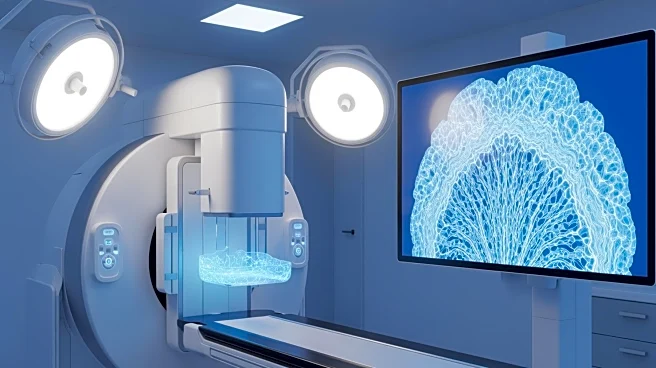
A comprehensive study has demonstrated that an AI system can match or exceed the performance of specialist radiologists in breast cancer screening. Conducted across multiple UK screening services, the study found that the AI system detected 25% of cancers
that would otherwise present as intervals or at the next screening. The system showed higher sensitivity and noninferior specificity compared to the first reader at the case level, with no systematic trends suggesting harmful bias across subgroups.
Why It's Important?
The findings underscore the potential of AI to enhance breast cancer screening processes, potentially leading to earlier diagnosis and improved patient outcomes. By improving cancer detection rates and reducing false positives, AI systems could significantly impact public health by providing more accurate and efficient screening methods. This development could also alleviate some of the workload on radiologists, allowing them to focus on more complex cases.
What's Next?
The study suggests that breast-level and lesion-level analysis should become standard metrics for AI performance evaluation in breast cancer screening. As AI systems continue to be integrated into clinical workflows, ongoing evaluations and adjustments will be necessary to ensure their effectiveness and fairness. The study's results may prompt further research and development in AI applications for other types of cancer screening and medical diagnostics.