
What's Happening?
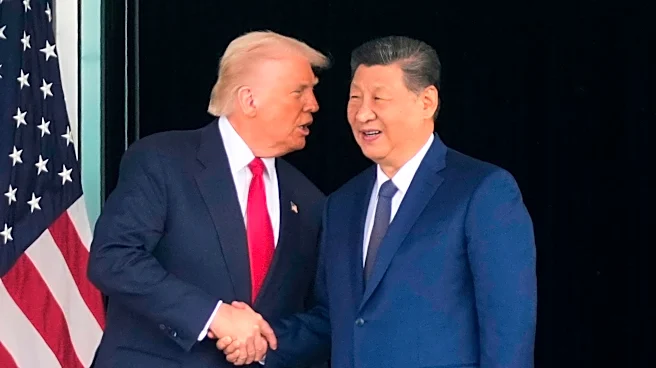
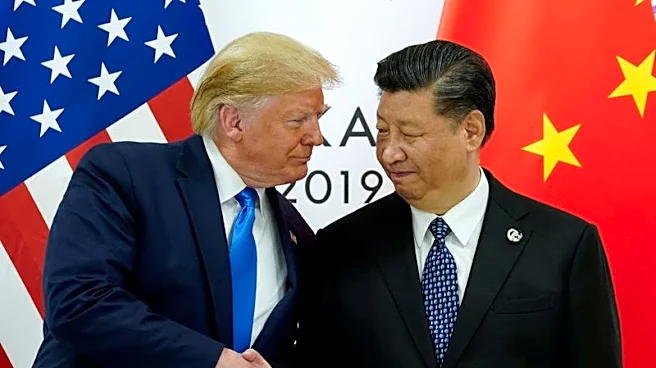
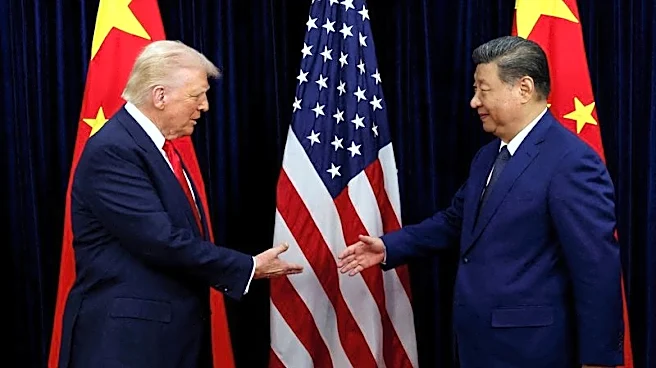
President Trump is traveling to Beijing for a summit with Chinese President Xi Jinping, marking his first visit to China in nine years. The meeting is set to address several critical issues, including
trade, artificial intelligence, and nuclear weapons. Trump is accompanied by a delegation of high-profile CEOs, including Elon Musk of Tesla, to advocate for increased Chinese investment in the U.S. The summit will also cover human rights issues, with Trump pledging to discuss the cases of imprisoned individuals like Pastor Ezra Jin and tycoon Jimmy Lai. The visit, initially delayed due to the Iran conflict, aims to strengthen U.S.-China relations and address ongoing trade tensions.
Why It's Important?
The summit is significant as it could reshape U.S.-China relations, particularly in trade and technology sectors. The potential for China to announce purchases of U.S. goods, such as airplanes and agricultural products, could benefit American industries and farmers, who have been affected by previous trade tensions. Additionally, discussions on artificial intelligence could lead to new channels of communication between the two nations, addressing concerns over cyber-espionage and tech competition. The outcome of these talks could influence global economic dynamics and set precedents for future international trade agreements.
What's Next?
Following the summit, potential outcomes include new trade agreements and a possible easing of tariffs, which could benefit both U.S. and Chinese economies. The discussions on artificial intelligence may lead to collaborative efforts in technology development and regulation. Human rights issues raised by Trump could impact diplomatic relations and influence China's domestic policies. The summit's results will likely be closely monitored by international stakeholders, including businesses and governments, for indications of shifts in U.S.-China relations.