


What's Happening?
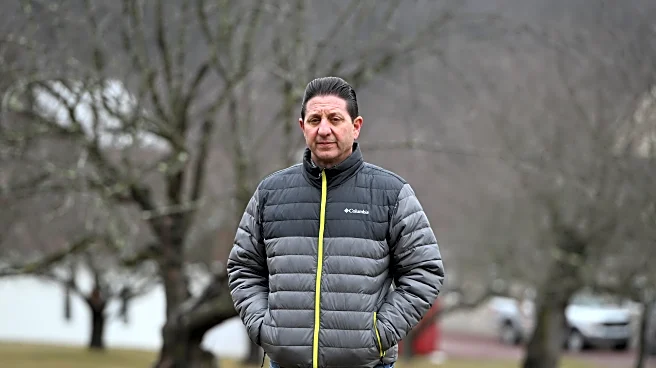
The ongoing debate over daylight saving time in the United States has intensified, with experts and lawmakers divided on whether to adopt permanent standard time or daylight saving time. Karin Johnson, a neurology professor and vice president of Save
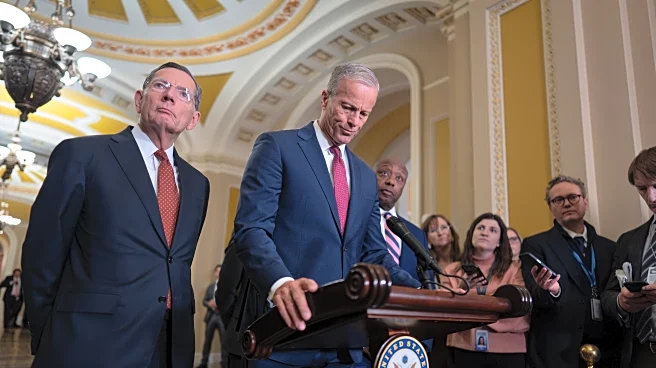
Standard Time, advocates for permanent standard time, emphasizing the importance of morning light for setting circadian rhythms. Kenneth Wright, a professor at the University of Colorado, supports this view, citing increased risks of vehicle crashes, heart attacks, and strokes following the clock change. Despite these concerns, legislative efforts to make daylight saving time permanent have stalled. The U.S. Senate passed a bill in 2022 to adopt permanent daylight saving time, but a similar House bill has not been voted on. Some states, like Virginia, have considered switching to permanent standard time but face obstacles, including opposition from industries like airlines and golf, which prefer daylight saving time for scheduling and evening activities.
Why It's Important?
The debate over daylight saving time has significant implications for public health, safety, and economic activities. Proponents of permanent standard time argue that it aligns better with human circadian rhythms, potentially reducing health risks and improving overall well-being. The shift could also impact industries reliant on evening daylight, such as golf and broadcasting, which may face scheduling challenges. The airline industry, in particular, opposes changes due to potential complexities in flight scheduling. The decision on whether to adopt permanent daylight saving or standard time could affect millions of Americans' daily routines and health outcomes, highlighting the need for a balanced approach that considers both scientific evidence and economic interests.
What's Next?
The future of daylight saving time in the U.S. remains uncertain, with legislative efforts facing significant hurdles. While some states have passed bills to adopt permanent standard time, these measures often include provisions requiring neighboring states to do the same, complicating implementation. The federal government may need to intervene to resolve the issue, potentially by passing a law to end the biannual clock changes. In the meantime, individuals and businesses may need to adapt to the current system, with some experts advising flexible work schedules to mitigate the effects of the time change.