






What's Happening?
A new study led by Georgia Tech has found that natural disasters significantly contribute to increased rental housing costs, with rents rising 6.5% to 12.5% higher than expected four years after an event. This research, conducted by Brian An, an associate
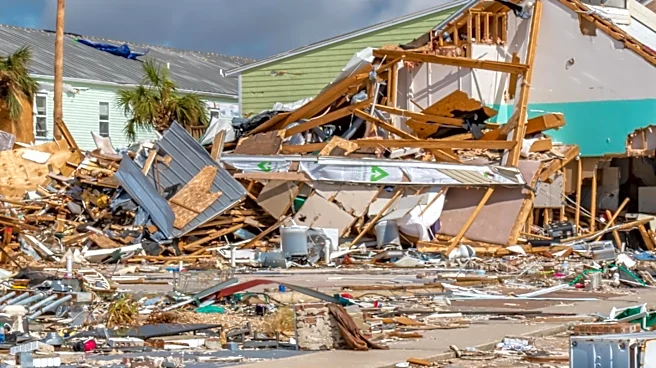
professor in the Jimmy and Rosalynn Carter School of Public Policy, analyzed two decades of rental housing data and federal disaster records from California and Florida. The study indicates that these rent increases are not confined to damaged homes but affect the broader rental market. The largest increases were observed following hurricanes and wildfires, more so than earthquakes, flooding, and tornadoes. Communities experiencing repeated disasters faced even greater rent pressure. The findings suggest that while rebuilding homes is a focus of recovery, the economic aftermath can displace renters who can no longer afford to live in their communities.
Why It's Important?
The study's findings are critical because they expose a less-discussed consequence of natural disasters: the exacerbation of housing insecurity for renters. When disasters strike, the housing market is disrupted by reduced supply from damaged buildings and increased demand from displaced homeowners entering the rental market. This imbalance, coupled with rising construction, repair, and insurance costs, creates an environment where rents surge. This disproportionately affects vulnerable populations, potentially forcing long-time residents out of their communities, disrupting social networks, and impacting children's education and workers' commutes. The research underscores that effective disaster recovery must extend beyond physical rebuilding to include policies that protect and support renters, ensuring that communities remain intact and accessible to all residents, not just those who can afford the inflated post-disaster housing market.
What's Next?
The study suggests that policymakers need to re-evaluate disaster recovery strategies to include robust protections and support for renters. This could involve investing in more resilient housing infrastructure, expanding affordable rental options, and implementing specific policies to stabilize rents in post-disaster environments. The research also indicates that federal support, such as Community Development Block Grant Disaster Recovery (CDBG-DR) funds, which can be used to build and preserve affordable rental housing, may help mitigate rent increases. Future efforts will likely focus on integrating housing affordability and renter protection into comprehensive disaster preparedness and recovery plans. This shift would aim to prevent the displacement of residents and foster more equitable and resilient communities in the face of increasing natural disaster frequency.
Beyond the Headlines
The Georgia Tech study delves into the deeper societal implications of natural disasters, revealing how they can exacerbate existing inequalities and reshape community demographics. The phenomenon of post-disaster rent hikes highlights a critical ethical dimension: whether disaster recovery inadvertently prioritizes property over people, particularly those with fewer resources. This economic displacement can lead to a loss of community identity, social cohesion, and cultural heritage as long-term residents are priced out. It also raises questions about the effectiveness of current disaster aid mechanisms and whether they adequately address the complex socio-economic challenges that emerge in the aftermath of catastrophic events. The findings call for a more holistic approach to disaster resilience that considers not just physical infrastructure but also the social and economic fabric of affected populations, ensuring that recovery efforts foster inclusive and sustainable communities.