

What's Happening?
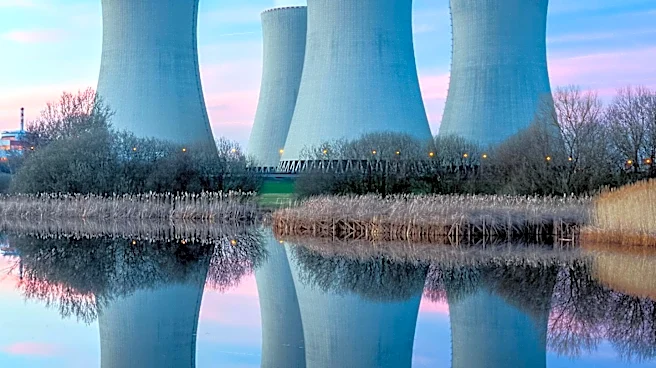
Illinois is moving forward with plans to construct new nuclear reactors, marking the first such development in nearly four decades. The state, which leads the nation in nuclear energy generation, recently lifted a moratorium on new nuclear power plant
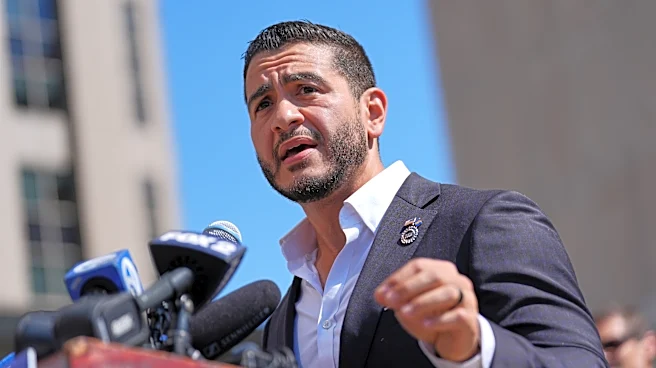
construction. Governor JB Pritzker has initiated efforts to expedite the development of new nuclear facilities, emphasizing the economic opportunities of building clean power. The state is currently evaluating potential sites, with several communities expressing interest in hosting new plants. This initiative is part of a broader strategy to transition away from fossil fuels and meet rising energy demands. The focus is on deploying advanced reactor designs, such as small modular reactors (SMRs), which promise faster and more cost-effective construction compared to traditional large reactors.
Why It's Important?
The push for new nuclear reactors in Illinois is significant for several reasons. It represents a critical step in the state's clean energy transition, aiming to reduce greenhouse gas emissions and provide a reliable energy source. Nuclear power, which currently supplies about half of Illinois' electricity, is seen as a key component in meeting future energy needs. The development of new reactors could also stimulate economic growth by creating jobs and attracting investment. However, the initiative faces challenges, including high construction costs and long timelines, as evidenced by recent projects like the Vogtle Generating Plant in Georgia. The success of Illinois' nuclear expansion could serve as a model for other states considering similar moves.
What's Next?
The next steps involve finalizing site selections and beginning the construction process. State agencies are tasked with creating a framework for evaluating, financing, and regulating new nuclear power plants. The focus will be on ensuring safety and efficiency in the deployment of advanced reactor technologies. As the state moves forward, it will need to address potential challenges, such as securing funding and managing public perception of nuclear energy. The outcome of Illinois' efforts could influence national energy policy and the future of nuclear power in the United States.