





What's Happening?
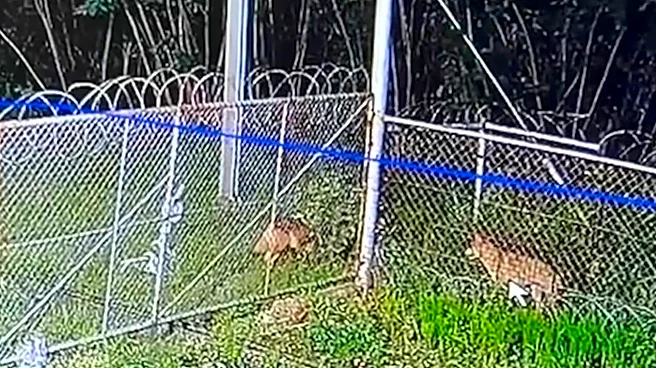
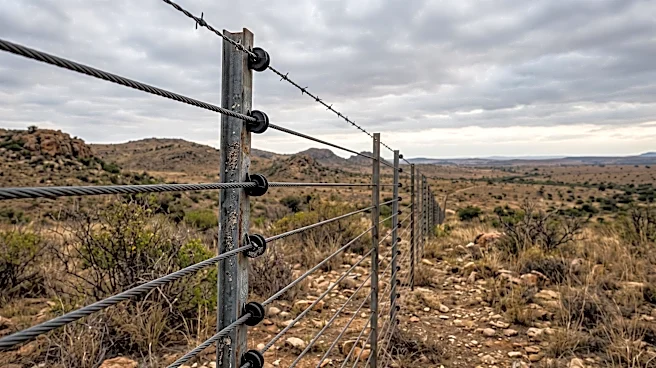
Cape Town, South Africa, is experiencing a deepening conflict between residents and animal activists over the city's plan to relocate and confine two troops of chacma baboons. The city's solution involves moving approximately 60 baboons into electric-fenced
enclosures ranging from 2 to 3.5 hectares, with males to be neutered to ensure the troops die out within 20 to 30 years. This decision comes after years of human-baboon conflict, where baboons have been observed breaking into homes, stealing food, and causing disturbances. While some residents support the plan due to the baboons' disruptive behavior, animal activists and other residents are protesting, arguing for coexistence and criticizing the confinement and sterilization as inhumane. Shirley Windell, a resident, expressed strong opposition to the baboons being caged and vasectomized, advocating for coexistence and blaming the city for inadequate food waste management.
Why It's Important?
This conflict in Cape Town highlights the growing global challenge of human-wildlife coexistence, particularly in urbanizing areas. The city's decision to confine and sterilize baboons, while presented as a measure to prevent more lethal responses from frustrated residents, raises significant ethical questions about wildlife management and animal rights. The debate reflects a broader tension between urban development and biodiversity conservation, where the needs and safety of human populations often clash with the natural behaviors and habitats of wild animals. The outcome of this situation could set a precedent for how other cities worldwide manage similar human-wildlife conflicts, influencing policies on animal control, habitat preservation, and the ethical treatment of urban wildlife. The involvement of animal activists underscores the increasing public demand for humane and ecologically sound solutions to such issues.
What's Next?
Animal activists and baboon-supporting residents have vowed to peacefully resist the relocation and confinement plan, potentially leading to further protests and legal challenges. The city of Cape Town, represented by officials like Gregg Oelofse, maintains that the enclosures are the best of limited options to manage the baboon population and prevent more severe outcomes, such as culling. The ongoing debate may prompt further mediation efforts, as seen with resident Peter Willis, to bridge the divide within the community. The situation could also lead to increased scrutiny of urban planning and waste management practices in Cape Town, as activists argue that better enforcement of food waste management could mitigate baboon intrusions. The long-term future of these baboon troops and the broader human-baboon relationship in Cape Town remains uncertain, with potential for continued conflict or the development of alternative, more collaborative solutions.
Beyond the Headlines
The Cape Town baboon conflict delves into the complex ethical considerations surrounding animal welfare and conservation in human-dominated landscapes. It forces a re-evaluation of what constitutes 'wild' behavior when animals adapt to urban environments and how human actions contribute to these adaptations. The debate extends beyond immediate management strategies to fundamental questions about species' rights, the limits of human intervention in natural processes, and the responsibility of urban communities towards local wildlife. The use of terms like 'ringleader' for a baboon and the description of their actions as 'housebreaking techniques' reflect a human-centric perspective that often demonizes wildlife for natural behaviors. This situation underscores the need for interdisciplinary approaches, combining ecological science, urban planning, and community engagement, to foster sustainable coexistence between humans and animals in an increasingly urbanized world.