







What's Happening?
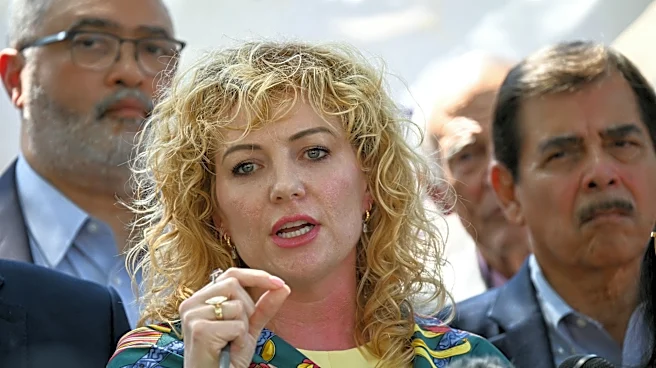
Congresswoman Chellie Pingree (D-Maine) recently co-hosted a bicameral public forum addressing fatal shootings involving Immigration and Customs Enforcement (ICE) agents across the United States. The hearing, also hosted by U.S. Senator Richard Blumenthal
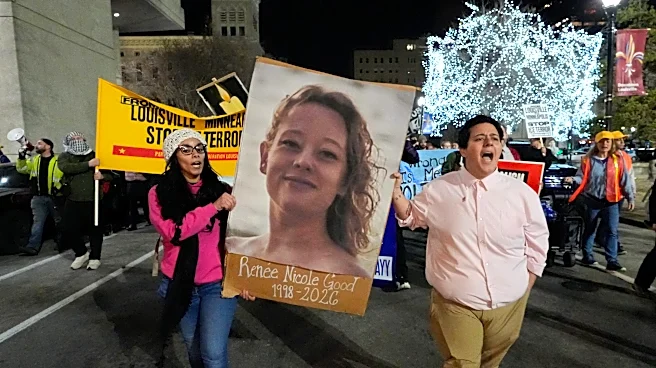
(D-Conn.) and U.S. Representative Robert Garcia (D-Calif.), featured emotional testimonies from families of victims. Cases highlighted included Ruben Ray Martinez and Lorenzo Salgado Araujo in Texas, Renée Nicole Macklin Good and Alex Pretti in Minnesota, and Johan Sebastián Durán Guerrero in Maine. Congresswoman Pingree expressed her heartbreak and anger, emphasizing that some families, like Durán Guerrero's, still lack confirmation of a federal investigation into their loved one's death. She criticized the Department of Homeland Security (DHS) for alleged lack of transparency, citing instances where information only emerged through public records requests or bystander videos. Pingree stressed Congress's duty to demand a full accounting and hold federal officials accountable for abuses, noting the absence of Republican lawmakers at the hearing.
Why It's Important?
This hearing is significant as it brings to light allegations of excessive force and lack of transparency within federal immigration enforcement, particularly ICE. The testimonies underscore the profound human impact of these incidents on families and communities, raising critical questions about accountability and due process. The involvement of multiple Democratic lawmakers, including ranking members of key oversight committees, signals a concerted effort to scrutinize DHS practices. The cases presented, such as the shooting of Johan Sebastián Durán Guerrero, who reportedly had valid work authorization and no criminal history, challenge the narrative often provided by enforcement agencies. The call for independent investigations and greater transparency could lead to policy changes regarding ICE's use of force protocols and accountability mechanisms. The absence of Republican participation, as noted by Congresswoman Pingree, highlights a partisan divide on immigration enforcement oversight, potentially complicating efforts to enact bipartisan reforms.
What's Next?
Following the emotional testimonies, Democratic lawmakers are expected to continue their push for greater accountability and transparency from ICE and DHS. This hearing is part of a series of public forums, indicating an ongoing effort to gather information and build a case for reform. Potential next steps could include legislative proposals aimed at increasing oversight of federal immigration enforcement, mandating independent investigations into fatal incidents, and establishing clearer protocols for the use of force. There may also be continued pressure on DHS to release more information regarding these cases and to confirm ongoing investigations. The families of the victims, represented by attorneys like Sean P. Murphy, are likely to persist in their demands for answers and justice, potentially pursuing legal avenues. The political implications could also extend to the upcoming elections, with immigration enforcement remaining a contentious issue.
Beyond the Headlines
The issues raised in this hearing extend beyond individual incidents, touching upon fundamental questions of civil liberties, government accountability, and the role of federal agencies in a democratic society. The alleged lack of transparency and the difficulty families face in obtaining information about the deaths of their loved ones highlight a potential power imbalance between citizens and government institutions. The testimonies also bring to the forefront the ethical considerations surrounding the use of lethal force by law enforcement, particularly when individuals are not the intended targets of operations or have no criminal history. This situation could fuel broader discussions about immigration policy, the militarization of federal agencies, and the need for robust civilian oversight mechanisms. The long-term implications could include a re-evaluation of ICE's mandate and operational procedures, potentially leading to a shift in public perception and policy regarding immigration enforcement in the U.S.