



What's Happening?
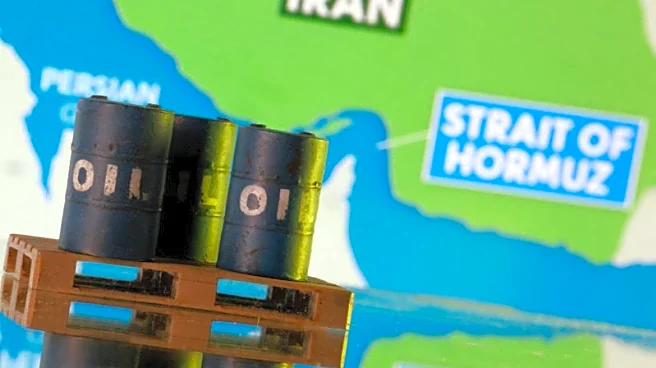
The ongoing conflict in the Middle East is raising concerns about global oil supply disruptions, particularly if the situation extends beyond a few weeks. According to a CNBC report, major investment banks like JPMorgan and Goldman Sachs have issued forecasts
on the potential impact of the conflict on oil prices. JPMorgan suggests that if the conflict lasts more than three weeks, Brent crude prices could rise to between $100 and $120 per barrel. The potential collapse of the Iranian regime is also a significant risk factor, as historical data shows that regime changes in major oil-producing nations can lead to a surge in oil prices by more than 70%. Additionally, the conflict is affecting metals markets, with Rio Tinto suspending aluminum supply negotiations due to escalating tensions.
Why It's Important?
The potential rise in oil prices due to the Middle East conflict could have significant implications for the global economy. Higher oil prices can lead to increased costs for transportation and production, affecting various industries and potentially leading to inflationary pressures. The disruption in aluminum supply negotiations highlights the broader impact on global trade and industry, as the Middle East is a key production hub. The situation underscores the vulnerability of global markets to geopolitical tensions, which can lead to economic instability and affect consumer prices worldwide.
What's Next?
If the conflict continues, stakeholders such as governments and businesses may need to prepare for prolonged disruptions in oil and metal supplies. This could involve seeking alternative supply routes or increasing domestic production to mitigate the impact. The situation may also prompt discussions on energy security and the need for diversified energy sources to reduce dependency on volatile regions. Monitoring the developments in the Middle East will be crucial for policymakers and industry leaders to anticipate and respond to potential economic challenges.