




What's Happening?
A new study published in BMC Public Health indicates that individuals who engaged in regular physical activity prior to contracting COVID-19 experienced fewer difficulties performing daily tasks two years post-infection. Researchers from the Federal University
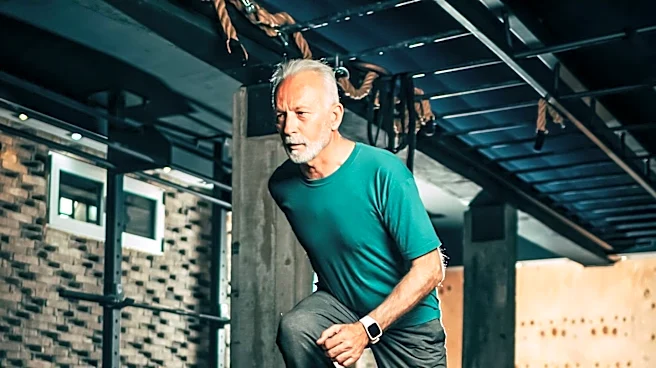
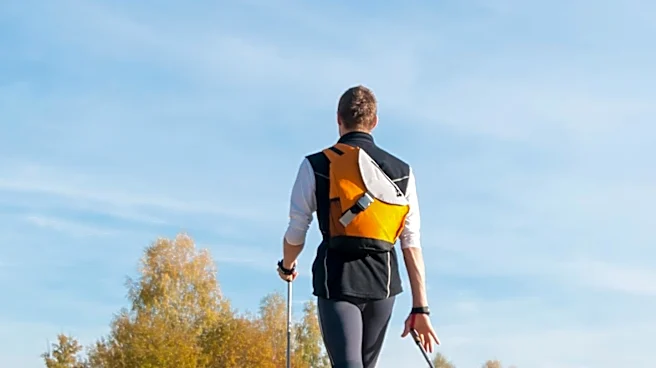
of Pelotas in Brazil analyzed data from adults with symptomatic, laboratory-confirmed COVID-19 infections between December 2020 and March 2021. Physical activity was defined as exercising at least 150 minutes per week. The study assessed functional ability at six and 24 months after infection, asking participants about their need for assistance with tasks such as shopping, meal preparation, cleaning, handling small objects, and taking medications. At the six-month mark, 8.4% reported some difficulty, which increased to 31.6% at the two-year follow-up. After adjusting for various demographic and health factors, those who met physical activity recommendations before infection showed a 20% lower rate of functional disability compared to their less active counterparts.
Why It's Important?
This research highlights the potential long-term benefits of pre-infection physical activity in mitigating the lingering effects of COVID-19, particularly functional disability. The findings suggest that maintaining an active lifestyle could serve as a protective factor against prolonged post-COVID symptoms, which often include fatigue and muscle weakness that impair daily functioning. While the study is observational and relies on self-reported data, the hypothesized mechanisms—improved lung capacity, enhanced immune regulation, and reduced inflammation—underscore the broader health advantages of exercise. For public health strategies, this implies that promoting regular physical activity is not only crucial for general well-being but also as a proactive measure to improve recovery and reduce the burden of long-term illness following viral infections like COVID-19. This could lead to a healthier, more resilient population, reducing healthcare strain and improving overall quality of life.
What's Next?
The study's authors suggest that promoting physical activity should be a key component of public health strategies to improve functional recovery and reduce the prolonged effects associated with COVID-19. Future research could focus on interventional studies to confirm the causal link between pre-infection exercise and better post-COVID outcomes. Additionally, investigations into the specific types, intensity, and duration of exercise that offer the most protection could provide more targeted public health recommendations. Healthcare providers may increasingly emphasize the importance of regular physical activity as a preventative measure against severe or long-lasting symptoms from viral illnesses. This could lead to more integrated approaches to patient care, where exercise prescriptions are as common as other medical interventions, especially for at-risk populations.
Beyond the Headlines
The study subtly reinforces the concept of 'health reserves'—the idea that a healthier baseline can provide greater resilience against illness and its aftermath. Beyond the immediate implications for COVID-19, these findings contribute to a growing body of evidence supporting the holistic benefits of physical activity across various health challenges. It underscores the importance of preventative health measures and lifestyle choices in shaping long-term health trajectories, rather than solely relying on reactive medical interventions. The emphasis on self-reported data, while a limitation, also highlights the need for more objective measures in future studies to solidify these connections. This research could also influence workplace policies and community programs, encouraging environments that support and facilitate regular exercise to build a more robust public health infrastructure.