
What's Happening?
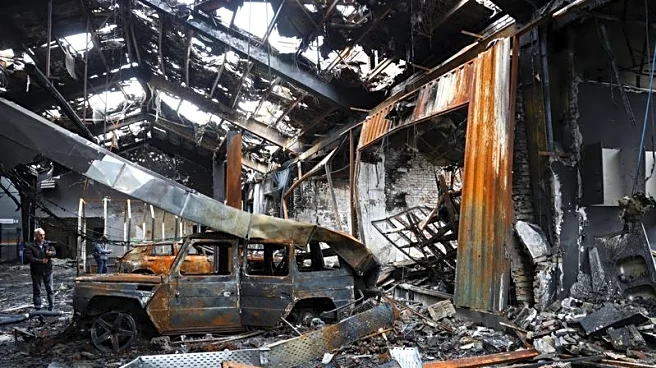
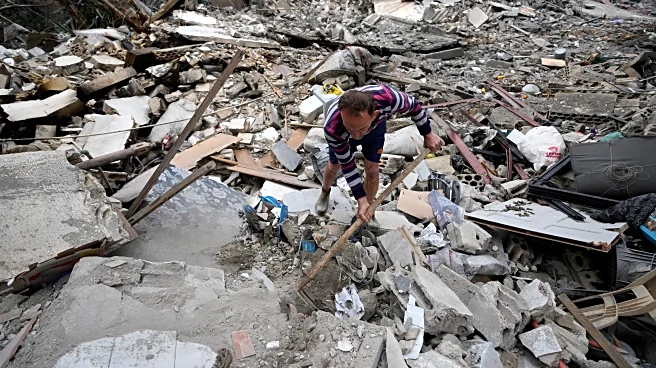
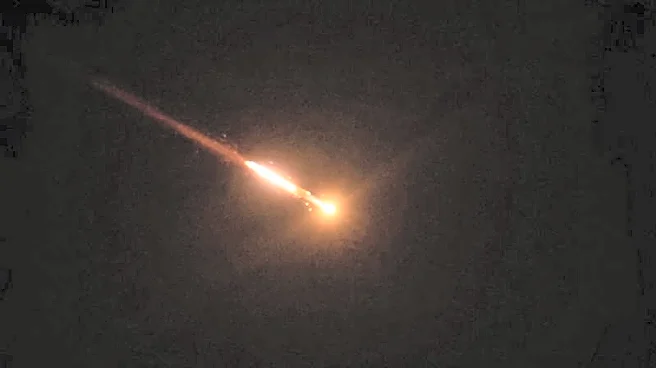
The International Atomic Energy Agency (IAEA) has confirmed that Iran's Khondab heavy water production plant has sustained severe damage following an Israeli military strike. The plant, which Iran reported was attacked on March 27, is now non-operational.
The Israeli military described the site as a key plutonium production facility for nuclear weapons. The IAEA's independent analysis of satellite imagery corroborated the damage, although it noted that the installation contains no declared nuclear material. This development is part of ongoing regional tensions involving Iran and its adversaries, particularly Israel, which has been targeting Iranian military infrastructure across Tehran.
Why It's Important?
The damage to the Khondab plant is significant as it underscores the escalating military confrontations between Israel and Iran, which have broader implications for regional stability. The plant's incapacitation could impact Iran's nuclear capabilities, a point of contention in international relations. This incident may further strain diplomatic efforts to address nuclear proliferation concerns in the Middle East. Additionally, the strike highlights the ongoing security challenges in the region, potentially affecting global energy markets and international diplomatic relations, especially with countries involved in mediating peace efforts.
What's Next?
The immediate consequence of the strike is likely to be increased military and diplomatic tensions between Israel and Iran. The international community, particularly countries involved in nuclear non-proliferation efforts, may call for renewed negotiations to prevent further escalation. There could also be discussions within international bodies like the United Nations to address the security implications of such military actions. Meanwhile, Iran may seek to bolster its defenses and possibly retaliate, which could lead to further instability in the region.
Beyond the Headlines
The strike on the Khondab plant raises ethical and legal questions about the use of military force in addressing nuclear proliferation. It also highlights the challenges of balancing national security interests with international law. The incident may prompt a reevaluation of existing treaties and agreements related to nuclear weapons and military interventions. Furthermore, it could influence public opinion and policy decisions in countries involved in the Middle East, potentially affecting future diplomatic and military strategies.