







What's Happening?
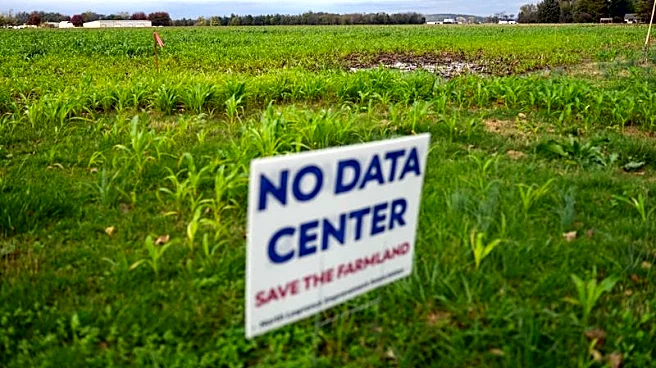
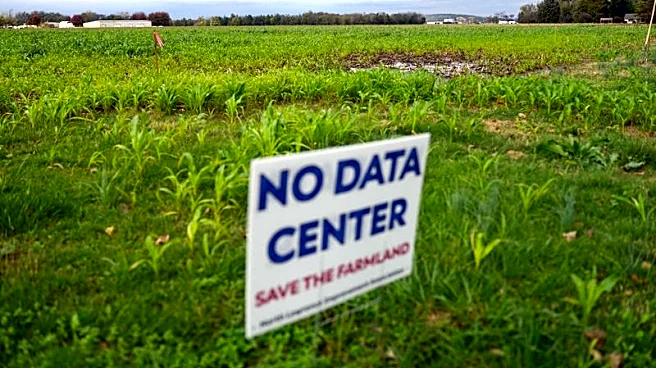
Campaigners across Europe are organizing two days of coordinated protests on November 6 and 7, calling for an immediate moratorium on new large-scale data center developments. Over 100 groups in 15 European countries will participate in various actions,
including demonstrations, public meetings, and petitions. These actions are driven by increasing concerns about the environmental and social impact of the rapid expansion of data centers, particularly regarding their consumption of land, water, and energy resources. The protests follow similar sentiments observed in recent U.S. midterm elections, where restrictions on AI server farms became a prominent campaign issue. Activists argue that governments and tech giants are proceeding with these developments without adequate scrutiny of their environmental, democratic, and social consequences.
Why It's Important?
The planned European protests highlight a growing international concern over the environmental footprint and resource demands of the technology sector, particularly the burgeoning AI industry. While the immediate focus is on Europe, the sentiment echoes discussions in the U.S., where data center expansion has also become a political issue. The call for a moratorium could influence policy decisions regarding infrastructure development, potentially leading to stricter regulations on energy and water consumption for tech companies. This movement could also impact the global supply chain for data center components and the investment landscape for tech infrastructure, as companies might face increased scrutiny and potential delays in their expansion plans. The protests underscore a broader societal debate about balancing technological advancement with environmental sustainability and community well-being.
What's Next?
The protests on November 6 and 7 are expected to draw significant attention to the issue of data center expansion. Campaigners are pushing for governments to establish clear frameworks for data center development, including proper scrutiny and public participation, before any new large-scale projects are approved. The British government, however, has indicated its support for data center construction as part of its economic growth strategy tied to AI, suggesting potential clashes between activists and policymakers. The outcome of these protests could influence future legislative efforts and public discourse around technology infrastructure, potentially leading to more stringent environmental impact assessments or community benefit agreements for data center projects across Europe and possibly inspiring similar movements in the U.S.
Beyond the Headlines
The 'Stop dirty datacenters' movement reflects a deeper societal tension between the rapid growth of the digital economy, particularly AI, and environmental sustainability. The campaigners' accusation that Silicon Valley billionaires are engaging in a 'massive grab of scarce land, water and power resources' points to a growing skepticism about the unchecked expansion of Big Tech. This movement could catalyze a broader re-evaluation of the true costs of digital infrastructure, moving beyond economic benefits to include environmental and social impacts. It also raises questions about democratic accountability in infrastructure planning, as activists argue that governments are failing to adequately consult with communities and environmental groups. The protests could contribute to a shift in public perception, demanding greater transparency and responsibility from tech companies and policymakers regarding their environmental footprint.