





What's Happening?
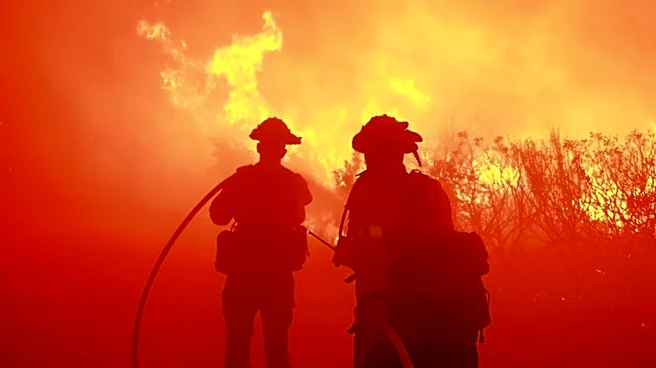
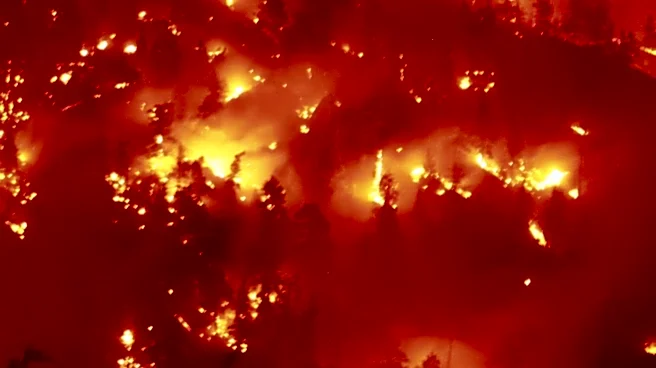
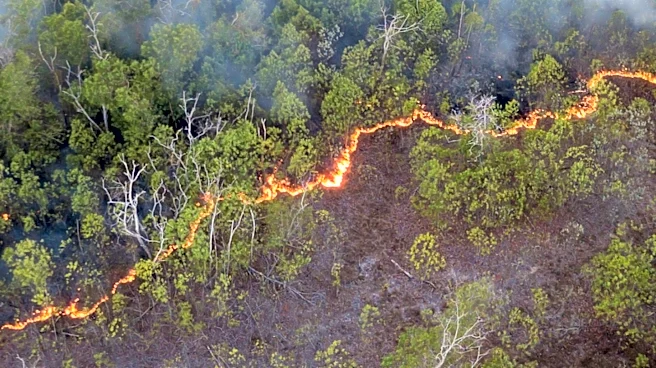
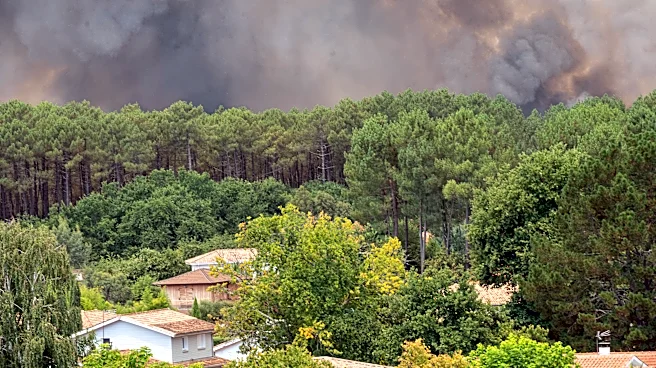
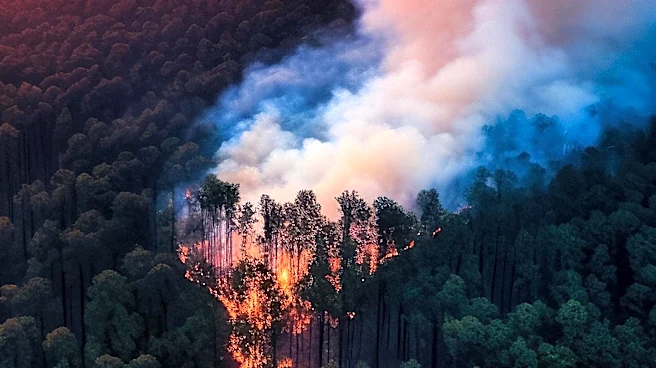
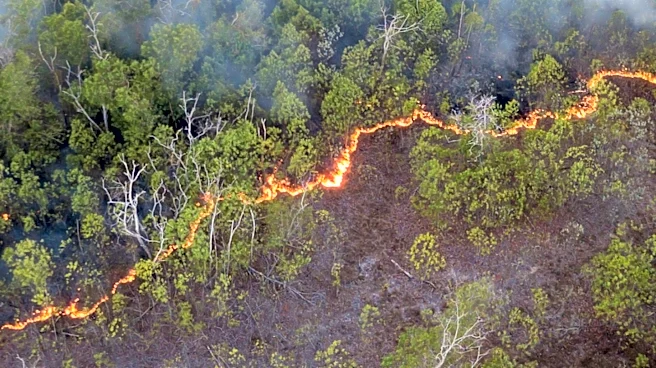
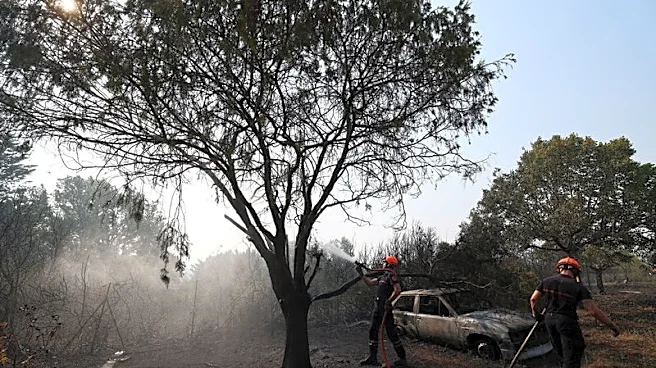
In southwest France, wildfires have forced the evacuation of more than 20,000 residents and tourists. The fires, exacerbated by a series of heatwaves, have been particularly severe in the region west of Bordeaux. Firefighting efforts are ongoing, with
the European Union deploying water-bombing aircraft to assist. The fires have destroyed several homes and a caravan, though no casualties have been reported. The situation is part of a broader pattern of extreme weather events linked to climate change, which have caused significant damage and loss of life across Europe.
Why It's Important?
The wildfires in France are a stark reminder of the growing impact of climate change on weather patterns and natural disasters. The economic and social costs are significant, with thousands displaced and resources stretched thin. The situation highlights the need for robust climate action and disaster preparedness. It also underscores the importance of international cooperation in addressing climate-related challenges. The fires have also sparked discussions on resource allocation and the need for better support for emergency services.
What's Next?
As the fires continue, further evacuations and international assistance may be necessary. The French government may need to review its climate policies and emergency response strategies. The situation could influence future policy decisions and public opinion on climate change. Long-term, there may be increased investment in infrastructure and technology to better manage and mitigate the effects of extreme weather events. The international community's response will be crucial in managing the crisis and preventing future occurrences.