







What's Happening?
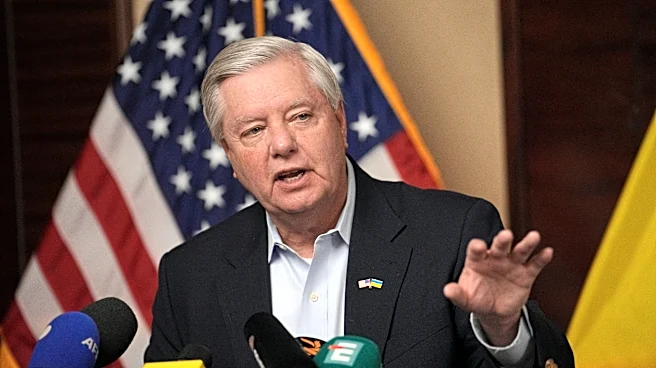
U.S. Senate Democratic Whip Dick Durbin visited the Chestnut Family Dental clinic in Bloomington, Illinois, to discuss expanding access to dental care for Illinois residents. The state faces a significant shortage of dentists who accept Medicaid, with
only about a quarter of dentists routinely doing so. This shortage has led to long waitlists, preventing timely dental care for many of the 3.4 million Illinoisans relying on Medicaid. Durbin highlighted the impact of Congressional Republicans' proposed $1 trillion cuts to Medicaid, which could exacerbate these issues. The visit also underscored the importance of the Promoting Dental Health Act, introduced by Durbin, which aims to improve access to dental care by reauthorizing funding for the CDC's Oral Health program.
Why It's Important?
The shortage of Medicaid-accepting dentists in Illinois highlights a critical gap in healthcare access, affecting millions who depend on Medicaid for dental services. This issue is part of a broader national problem, with nearly 70 million Americans lacking dental insurance. The proposed Medicaid cuts could further strain the system, increasing healthcare costs as more individuals turn to emergency rooms for dental issues. Durbin's advocacy and legislative efforts aim to address these challenges by increasing funding and support for dental health programs, which could improve public health outcomes and reduce long-term healthcare costs.
What's Next?
The Promoting Dental Health Act, if passed, would reauthorize and potentially increase funding for the CDC's Oral Health program, which has not been adequately funded to serve all states, including Illinois. This could lead to more comprehensive dental care access across the state and the nation. Additionally, Durbin's provision in the American Rescue Plan to invest in the National Health Service Corps could help alleviate provider shortages by incentivizing new health professionals to serve in underserved areas. The outcome of these legislative efforts will significantly impact the future of dental care accessibility in Illinois and beyond.