




What's Happening?
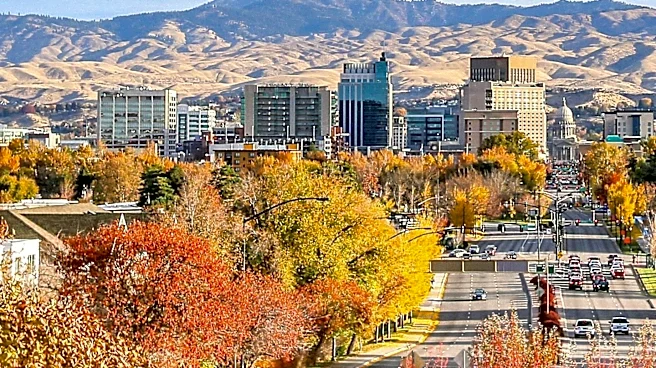
The U.S. Environmental Protection Agency (EPA) Region 10 has announced a partnership with the city of Boise, Idaho, to enhance food waste reduction efforts as part of the EPA's 'Feed It Onward' initiative. This collaboration was highlighted during Food
Waste Prevention Week, showcasing Boise's innovative local solutions. EPA Region 10 Administrator Emma Pokon praised Boise's commitment, noting its residential composting program now serves 97% of households. This program diverts over one-third of Boise's residential waste from landfills annually, converting food scraps into nutrient-rich compost for local parks, gardens, and agriculture. The city also launched a free Food Scrap Drop Off Program in 2024, providing composting access to residents in apartments and homes without curbside service, with over 450 participants utilizing four drop-off locations by August 2026. Participants receive monthly newsletters with tips on food storage, preservation, recipes, and meal planning.
Why It's Important?
This partnership is crucial for addressing the significant issue of food waste in the United States, where over 133 billion pounds of food are wasted annually, costing families thousands of dollars and contributing to landfill waste and methane emissions. The average annual food waste cost per person is $728, totaling $2,913 for a family of four, representing 11% of household food spending. Boise's success serves as a national model, demonstrating how comprehensive composting programs can preserve landfill capacity, improve soil health, and strengthen local food production. The 'Feed It Onward' initiative aims to connect food donors with communities in need and promote practical solutions, from donation and animal feed to composting and innovative recovery. This collaboration underscores the potential for local government and federal agencies to work together in tackling environmental challenges and promoting sustainable practices.
What's Next?
The EPA and Boise will continue to promote and expand the 'Feed It Onward' initiative, with Boise sharing its successful strategies with other communities across the region. The ongoing educational efforts, including monthly newsletters, will further empower residents to reduce food waste and adopt sustainable habits. The success of Boise's programs could inspire other cities nationwide to implement similar comprehensive food waste prevention and composting initiatives. This partnership is expected to lead to further reductions in landfill waste, decreased methane emissions, and increased availability of nutrient-rich compost for agricultural and horticultural uses. Future developments may include expanding the Food Scrap Drop Off Program to more locations and exploring additional innovative solutions for food recovery and waste reduction.
Beyond the Headlines
Beyond the immediate environmental and economic benefits, Boise's food waste initiatives highlight a broader shift towards community-led sustainability and resource management. The high participation rate in the residential composting program reflects a strong civic engagement and environmental consciousness among Boise residents. This collective action not only addresses waste but also fosters a sense of community responsibility and shared purpose. The educational component, offering tips on food preservation and meal planning, empowers individuals to make more informed choices, potentially leading to healthier eating habits and reduced household expenses. This holistic approach to food waste management demonstrates how local initiatives, supported by federal partnerships, can create a ripple effect, influencing consumer behavior, promoting local agriculture, and contributing to a more resilient and sustainable food system.