






What's Happening?
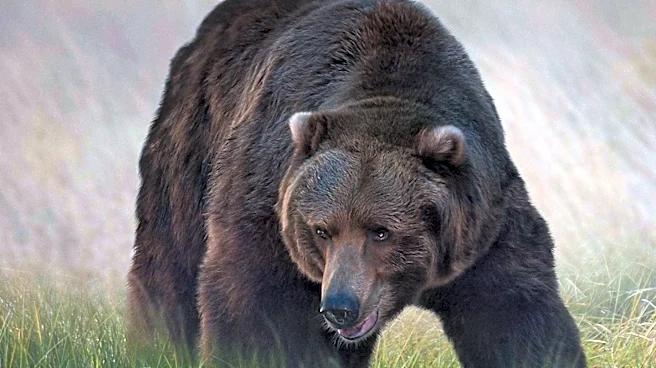
The federal government has announced a proposal to transfer the management of grizzly bears in the contiguous United States to state authorities. This move, supported by Montana Governor Greg Gianforte and other state leaders, is seen as a step towards
increasing state control over wildlife management. The proposal, which will be open for public comment for 30 days starting July 17, does not remove grizzly bears from the Endangered Species list but aims to create additional exceptions for state or tribal agencies to manage the species. While state officials argue that local management will be more effective, environmental groups have raised concerns about the potential increase in bear mortality and the risk to their recovery.
Why It's Important?
The proposal to shift grizzly bear management to states is significant as it reflects a broader trend of decentralizing wildlife management from federal to state control. Proponents argue that states have the local expertise and resources to manage wildlife effectively, which could lead to more tailored conservation efforts. However, critics warn that this could undermine decades of conservation work, potentially leading to increased bear mortality and habitat loss. The decision could set a precedent for the management of other species and influence future wildlife conservation policies in the U.S.
What's Next?
The proposed rule will undergo a 30-day public comment period, during which stakeholders, including environmental groups and state agencies, will have the opportunity to express their views. The outcome of this period could influence the final decision on the rule. If implemented, states will need to develop management plans that align with federal guidelines while addressing local conservation challenges. The proposal may also face legal challenges from environmental organizations concerned about the potential impact on grizzly bear populations.
Beyond the Headlines
The shift in grizzly bear management raises questions about the balance between federal oversight and state autonomy in wildlife conservation. It highlights the ongoing debate over the role of science versus political considerations in environmental policy. The decision could also impact the relationship between state and federal agencies, as well as between government and environmental groups, potentially leading to further legal and policy disputes.