





What's Happening?
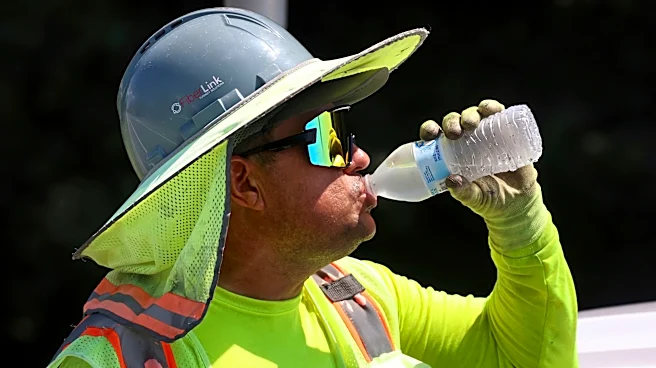
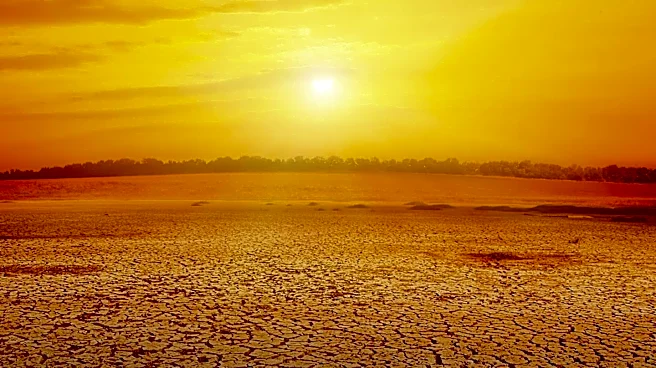
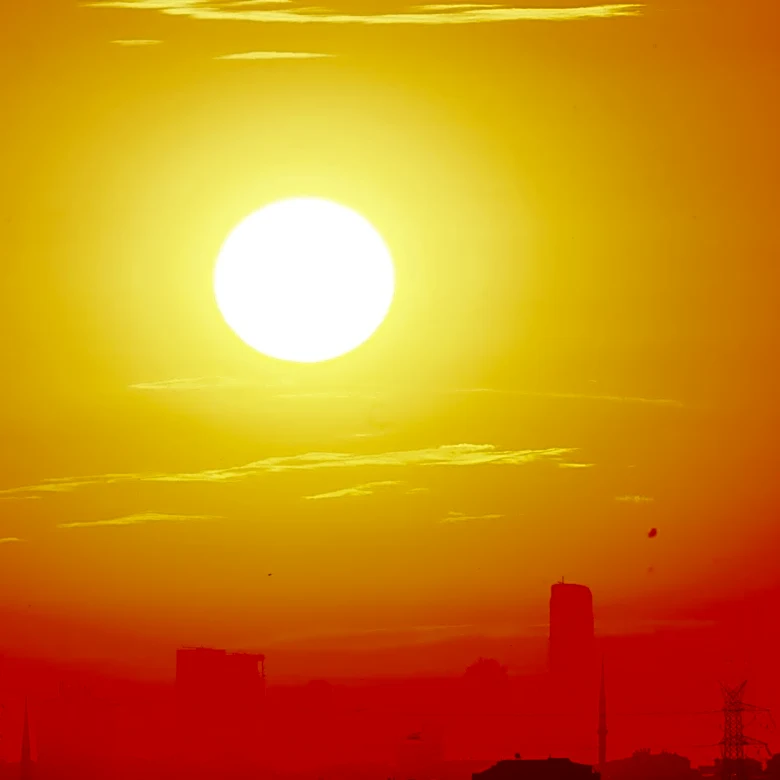
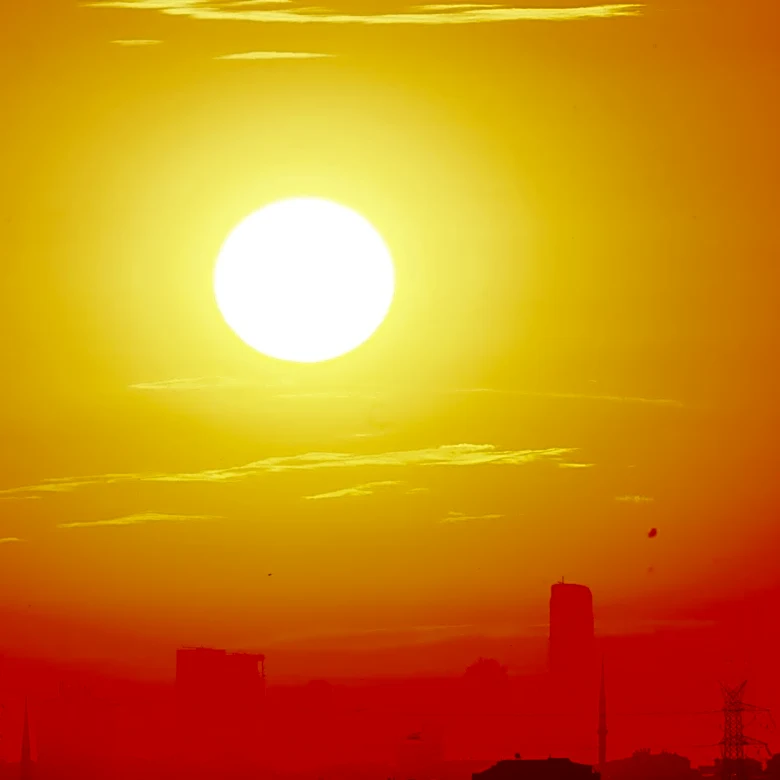
A severe heat wave is intensifying across the central to eastern United States, expected to last into the Fourth of July weekend. The heat wave is characterized by high temperatures and humidity, with potential record-breaking highs in the mid-Atlantic.
Cities like Columbus, Ohio, have opened cooling centers and waived public pool entry fees to help residents cope. The National Weather Service forecasts that the heat will peak from June 30 to July 2, affecting areas from the Midwest to the East Coast.
Why It's Important?
This heat wave poses significant health risks, particularly for vulnerable populations such as the elderly, young children, and those with pre-existing health conditions. The extreme temperatures could lead to increased cases of heat-related illnesses, straining healthcare resources. Additionally, the heat wave may result in higher energy consumption as people rely on air conditioning, potentially leading to power outages. The economic impact could be substantial, affecting outdoor activities, businesses, and infrastructure.
What's Next?
As the heat wave continues, local governments and communities are likely to implement additional measures to protect residents, such as extending the hours of cooling centers and providing public health advisories. Energy providers may need to manage increased demand to prevent power outages. Public health officials will continue to monitor the situation and provide guidance on staying safe in extreme heat. The situation underscores the need for preparedness and resilience in the face of climate-related challenges.
Beyond the Headlines
The heat wave highlights the broader issue of climate change and its role in increasing the frequency and intensity of extreme weather events. It raises questions about infrastructure resilience and the capacity of urban areas to adapt to changing climate conditions. The event also emphasizes the importance of public awareness and education on heat safety and the need for long-term strategies to mitigate the impacts of climate change on communities.