


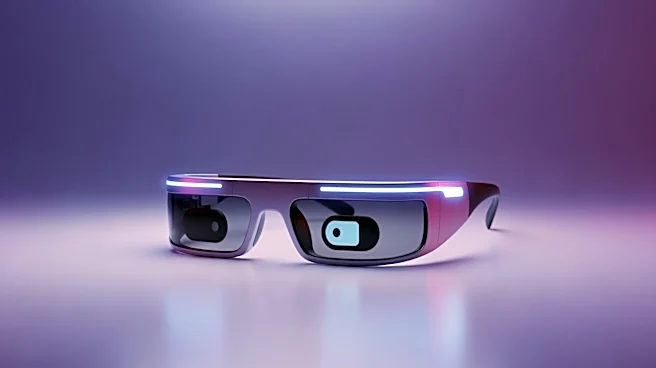
What's Happening?
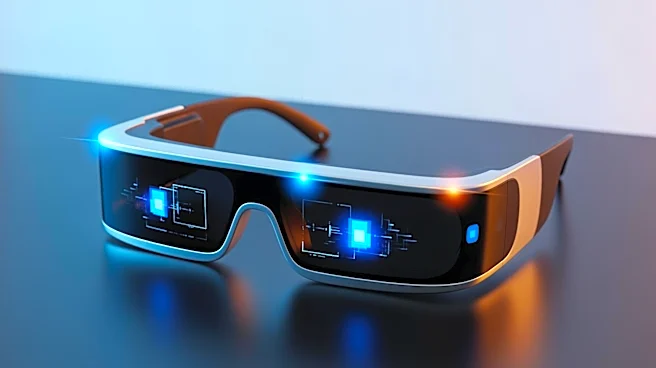
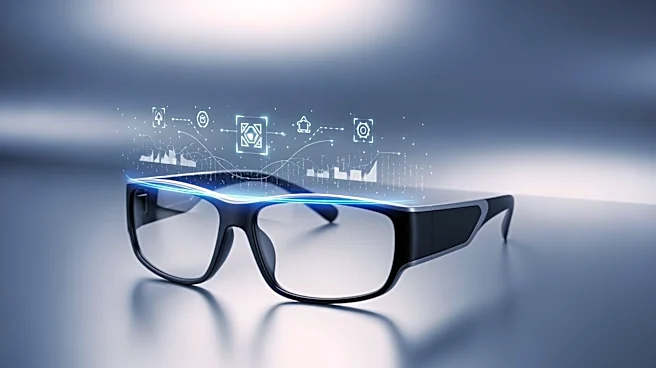
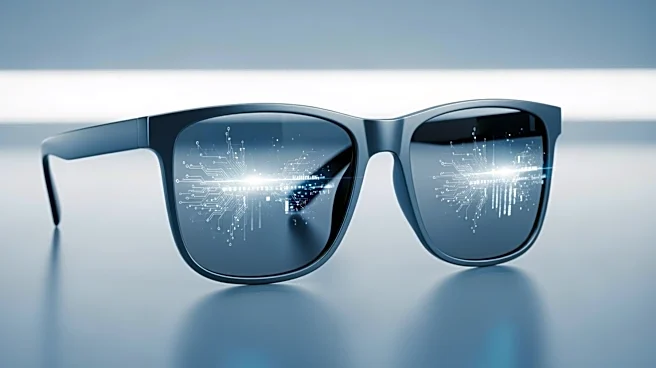
In 2026, significant shifts in augmented reality (AR) technology are poised to impact the tech industry. Apple is testing multiple smart-glasses designs, signaling a move towards consumer-friendly AR devices. Meta's Reality Labs is undergoing restructuring,
which may slow product rollouts but could lead to refined software. Snap is planning to release lightweight consumer Spectacles, aiming to make AR more accessible. Amazon is reportedly developing AR glasses for both consumers and delivery drivers, indicating a focus on retail and logistics applications. These developments suggest a growing emphasis on practical and consumer-oriented AR solutions.
Why It's Important?
The advancements in AR technology have the potential to transform various sectors, including retail, logistics, and consumer electronics. By making AR more accessible and affordable, companies like Apple, Meta, and Amazon are positioning themselves to capture a significant share of the emerging market. This could lead to increased consumer adoption and new business opportunities. The integration of AR into everyday life could enhance user experiences, streamline operations, and create new revenue streams for businesses. The competitive landscape is also likely to drive further innovation and investment in AR technology.
What's Next?
As companies continue to develop and release new AR products, the market will likely see increased competition and innovation. Consumers can expect more options and features as companies refine their offerings. The success of these products will depend on consumer acceptance and the ability to deliver practical and engaging experiences. Industry stakeholders will be monitoring market trends and consumer feedback to adjust their strategies and capitalize on emerging opportunities.