



What's Happening?
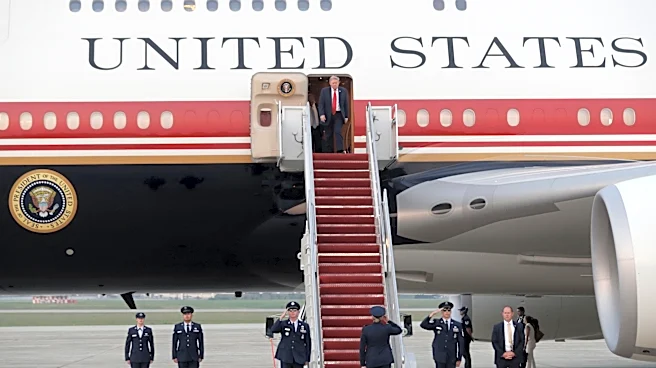
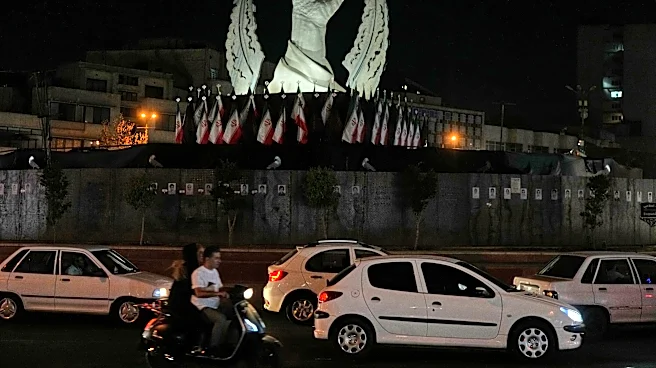
President Trump has initiated a military conflict with Iran, which began nearly five months ago with the aim of achieving a swift victory. Despite initial promises of a decisive win, the situation has escalated into a prolonged conflict, reminiscent of the 'forever
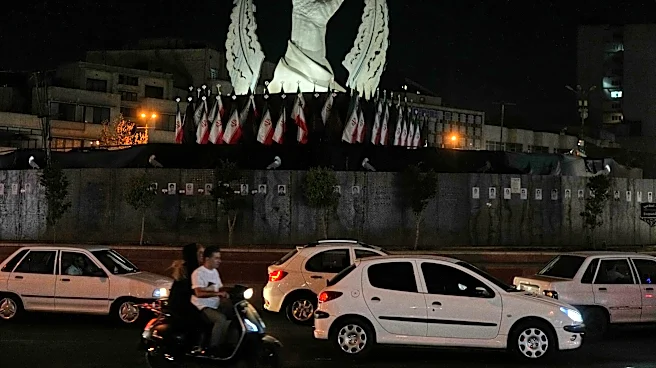
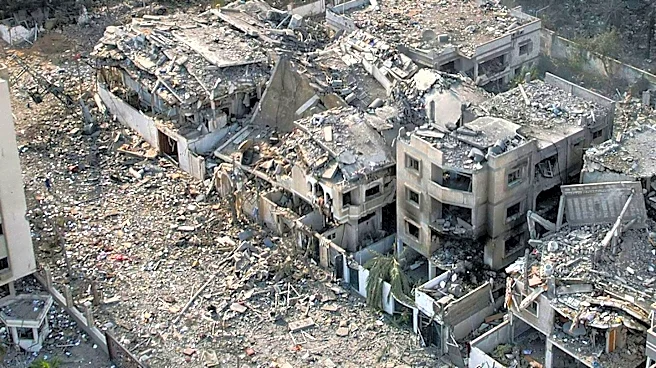
wars' in Iraq and Afghanistan. The conflict has seen a series of retaliatory attacks between the U.S. and Iran, including missile strikes and airstrikes. A ceasefire agreement reached in mid-June has collapsed, leading to renewed hostilities. The U.S. has imposed a naval blockade, and Iran has retaliated by targeting oil tankers and U.S. military bases. The conflict has significantly impacted global oil prices, which have surged past $90 a barrel, disrupting the global economy.
Why It's Important?
The ongoing conflict between the U.S. and Iran has significant implications for global energy markets and geopolitical stability. The Strait of Hormuz, a critical chokepoint for global oil and gas supplies, remains a focal point of the conflict. Disruptions in this region could lead to soaring energy prices and potentially trigger a global recession. The conflict also highlights the challenges of U.S. foreign policy in the Middle East, as President Trump's actions contradict his previous promises to avoid new wars. The situation poses risks to U.S. military personnel and could lead to further military escalation, drawing in neighboring countries and complicating international relations.
What's Next?
The future of the conflict remains uncertain, with potential for further escalation. President Trump has threatened additional military actions, including targeting Iran's civilian infrastructure, which could constitute a war crime. The U.S. may face increased pressure to negotiate a lasting political agreement with Iran, but the path forward is complicated by shifting strategies and the lack of a clear resolution. The international community may call for diplomatic interventions to prevent a wider regional conflict. Meanwhile, Iran's ability to leverage control over the Strait of Hormuz remains a critical factor in the ongoing tensions.
Beyond the Headlines
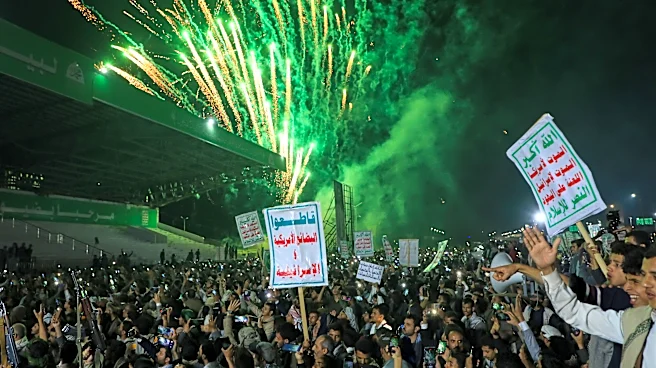
The conflict underscores the broader geopolitical dynamics in the Middle East, where regional powers vie for influence. Iran's strategic position and alliances, such as with the Houthi militia in Yemen, allow it to exert significant pressure on global energy supplies. The situation also raises ethical and legal questions about the use of military force and the potential for civilian casualties. The conflict could reshape U.S. foreign policy priorities and influence future administrations' approaches to international relations and military engagements.