





What's Happening?
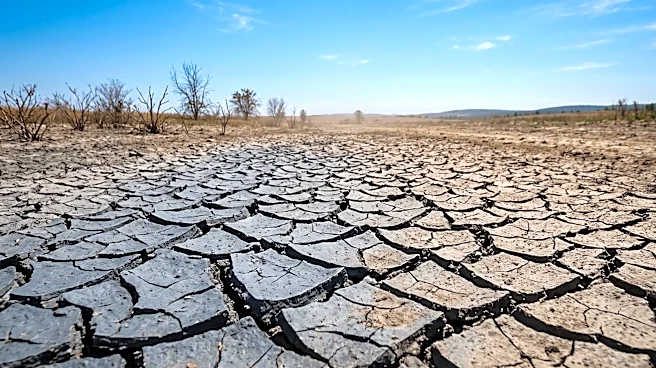
Aroostook County Emergency Management Director Darren Woods has reported that while some wells in Maine have reached record low levels due to ongoing drought conditions, there have been no reported dry wells in Aroostook County. The Maine Drought Task
Force noted record low levels in wells in Oxford and Clayton Lakes. Woods highlighted that much of northern Maine is experiencing a D2 severe drought, primarily affecting groundwater and stream flows. He advised residents who rely on private wells to conserve water by reducing non-essential use, such as waiting for full loads before running washing machines. Woods also cautioned against attempting to refill dry wells with trucked-in water, stating it is often a waste of money as the water quickly seeps into the ground without lasting benefit. He urged residents to report any dry wells to the Maine Emergency Management Agency.
Why It's Important?
The drought conditions and their impact on private wells in Maine are important for public health, local economies, and infrastructure. Approximately half of the U.S. population relies on private wells for water, making their depletion a significant concern. A prolonged drought can lead to water scarcity, affecting daily household activities, agriculture, and local businesses dependent on water resources. The advice from Darren Woods on water conservation and the ineffectiveness of refilling wells with trucked-in water underscores the need for proactive measures and community awareness. This situation highlights the vulnerability of rural communities to environmental changes and the importance of effective emergency management to mitigate the impacts of natural disasters like droughts. The potential for widespread well depletion could necessitate state-level interventions and resource allocation.
What's Next?
With winter approaching, the next few weeks are critical for groundwater supplies in northern Maine. James Sinko, lead meteorologist for the National Weather Service, indicated that 10 to 15 inches of gradual rainfall are needed before the ground freezes to alleviate the drought. If significant rainfall does not occur, the region could face more severe water shortages, potentially leading to an increase in dry wells. Residents are encouraged to continue conservation efforts and report any issues to the Maine Emergency Management Agency. Local authorities will likely continue to monitor well levels and weather patterns closely, potentially issuing further advisories or implementing emergency water measures if conditions worsen. The long-term outlook depends on future precipitation and snowmelt to naturally replenish groundwater reserves.
Beyond the Headlines
The drought in Maine and its impact on private wells reveal deeper issues concerning climate resilience and water management in the U.S. The reliance on natural precipitation for groundwater replenishment highlights the fragility of water systems in the face of changing climate patterns. This situation could prompt a re-evaluation of water infrastructure, conservation policies, and emergency preparedness strategies at both local and state levels. It also brings to light the disparities in water access and security between urban areas with municipal water systems and rural areas dependent on private wells. The long-term implications could include increased investment in water infrastructure, development of drought-resistant agricultural practices, and enhanced public education campaigns on water conservation to build more resilient communities against future environmental challenges.