

What's Happening?
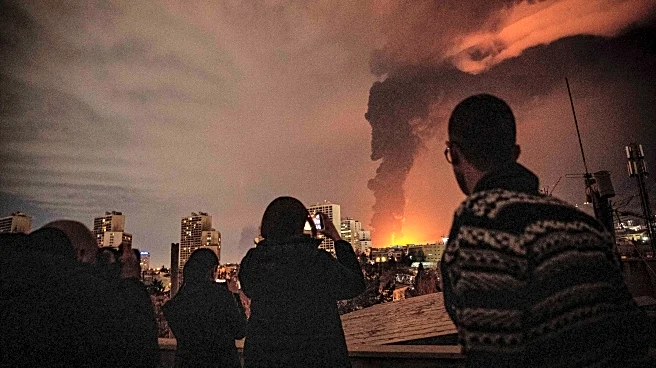
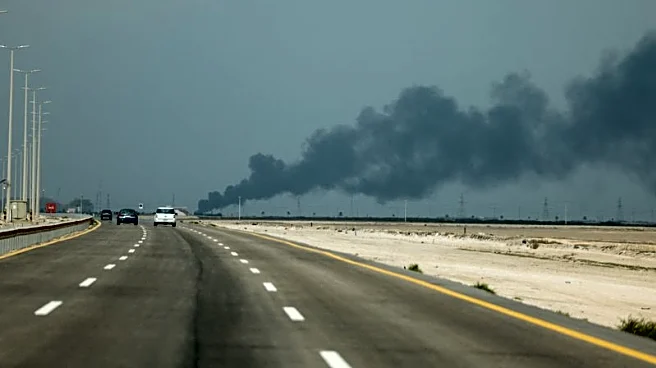
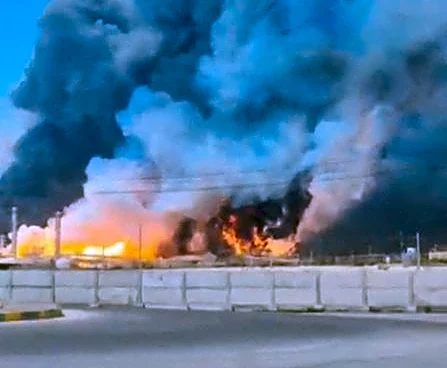
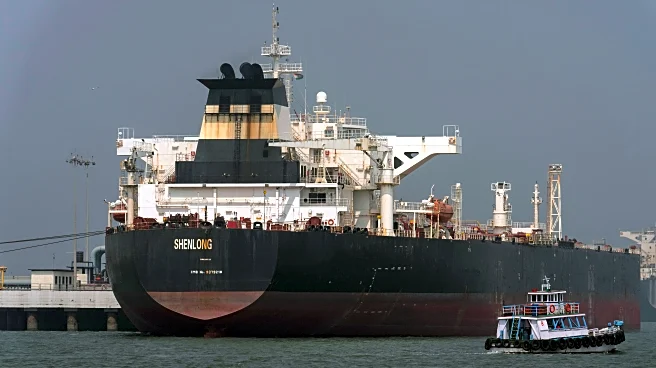
The ongoing conflict involving the United States and Israel against Iran has led to significant disruptions in global oil and gas supplies, primarily due to Iran's blockade of the Strait of Hormuz. This has resulted in a sharp increase in energy prices,
impacting household bills and contributing to broader inflation concerns. In response, various governments and organizations are taking measures to mitigate the impact of rising fuel costs. The International Energy Agency's 32 member states have agreed to release 400 million barrels of oil from reserves. Additionally, countries like Germany are considering regulations to limit gas station price increases to once per day. The situation has also given rise to 'fuel tourism,' where drivers cross borders to purchase cheaper fuel, as seen in Slovakia, Germany, and Spain. In Asia, countries heavily reliant on oil imports through the Strait of Hormuz are implementing measures such as capping fuel prices and reducing energy consumption to cope with the crisis.
Why It's Important?
The conflict and subsequent energy price hikes have significant implications for global economies, particularly those heavily dependent on oil imports. The rise in fuel costs is exacerbating inflationary pressures, affecting household budgets and economic stability. The phenomenon of 'fuel tourism' highlights the disparities in fuel pricing across borders, leading to economic and logistical challenges for countries like Slovakia and Germany. In Asia, the heavy reliance on oil imports through the Strait of Hormuz underscores the vulnerability of these economies to geopolitical tensions. The measures being taken, such as releasing oil reserves and capping prices, reflect the urgent need for international cooperation and strategic planning to stabilize energy markets and protect consumers from volatile price swings.
What's Next?
As the conflict continues, further disruptions in oil supply and price volatility are likely. Countries may need to explore additional measures to stabilize their energy markets, such as increasing domestic production or seeking alternative energy sources. The international community may also engage in diplomatic efforts to resolve the conflict and ensure the free flow of oil through critical chokepoints like the Strait of Hormuz. Monitoring the effectiveness of current measures, such as price caps and reserve releases, will be crucial in determining future actions. Additionally, the situation may prompt a reevaluation of energy policies and a push towards more sustainable and diversified energy sources to reduce dependency on volatile regions.