



What's Happening?
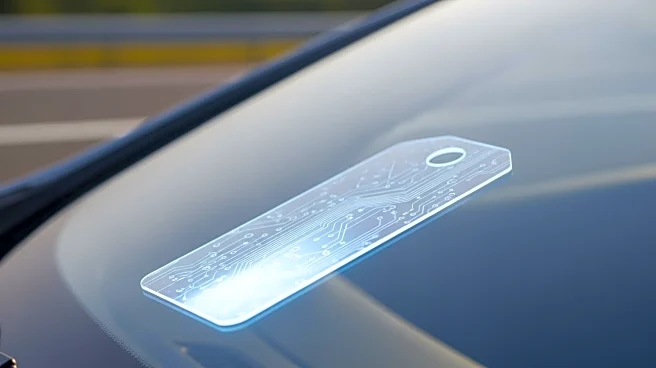
The New Jersey Turnpike Authority has announced plans to replace the traditional windshield-mounted E-ZPass transponders with new digital sticker tags. This transition is currently in the early stages, with no specific timeline for implementation. However,
an official indicated that the sticker tags could be introduced by the end of 2026. Unlike the current plastic transponders, the new stickers do not require batteries, which is expected to save the Turnpike Authority millions of dollars over time. The existing transponders have a battery life of 8-10 years and need replacement as their batteries wear out. E-ZPass is widely used across New Jersey highways and bridges, including the New Jersey Turnpike and Garden State Parkway, allowing drivers to pay tolls electronically without stopping at toll booths.
Why It's Important?
The transition to digital sticker tags for E-ZPass users in New Jersey represents a significant technological upgrade that could lead to substantial cost savings for the New Jersey Turnpike Authority. By eliminating the need for battery replacements, the authority can reduce maintenance costs associated with the current transponders. This change could also streamline the toll collection process, potentially improving traffic flow and reducing congestion at toll booths. For drivers, the new system promises a more convenient and reliable way to manage toll payments, enhancing the overall user experience. The move aligns with broader trends in transportation technology, where digital solutions are increasingly being adopted to improve efficiency and reduce operational costs.
What's Next?
As the New Jersey Turnpike Authority progresses with the transition to digital sticker tags, stakeholders will likely monitor the implementation process closely. Key considerations will include ensuring the new system's compatibility with existing infrastructure and addressing any technical challenges that may arise. The authority may also engage in public awareness campaigns to educate drivers about the new system and its benefits. Additionally, other states may observe New Jersey's transition as a potential model for similar upgrades in their toll collection systems. The success of this initiative could influence future transportation technology decisions across the region.