










What's Happening?
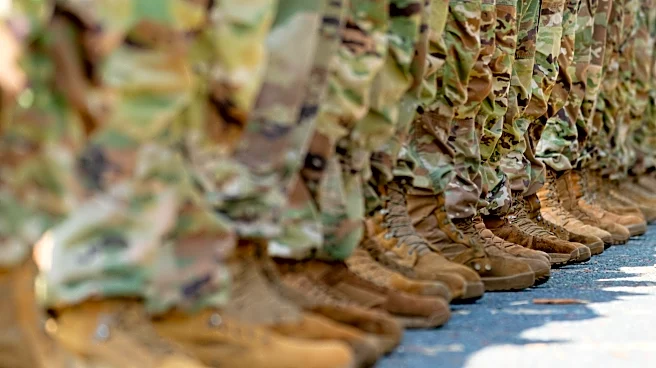
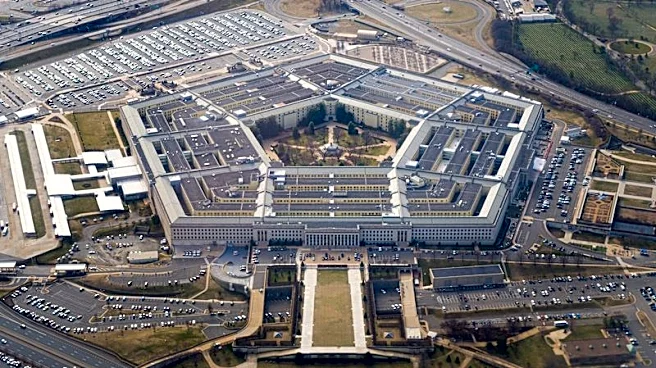
The U.S. military, under Defense Secretary Pete Hegseth, has announced a new initiative to screen service members aged 30 and older for testosterone deficiency as part of their annual health assessments. The program aims to optimize health and combat
readiness by addressing potential hormonal imbalances. However, experts have raised concerns about the medical justification for routine testosterone screening, particularly in younger men without symptoms, and the potential for unnecessary treatment.
Why It's Important?
Testosterone plays a crucial role in physical and psychological health, and its deficiency can impact military readiness. However, the decision to implement widespread screening has sparked debate over its necessity and potential risks. Critics argue that without clear symptoms, routine testing may lead to overdiagnosis and unnecessary treatment, which could have adverse effects. The program highlights the ongoing challenge of balancing health optimization with evidence-based medical practices in military settings.
What's Next?
As the program rolls out, the military will need to establish clear guidelines for screening and treatment to avoid unnecessary interventions. Ongoing evaluation of the program's impact on service members' health and readiness will be essential. The debate may also influence broader discussions on testosterone replacement therapy and its role in managing age-related hormonal changes. Further research could help clarify the benefits and risks of routine screening in both military and civilian populations.