



What's Happening?
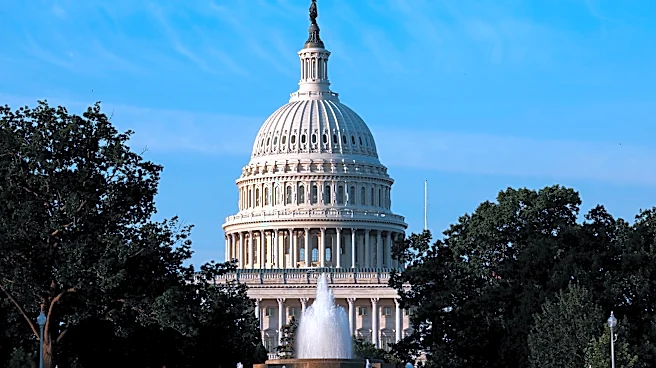
President Trump is actively promoting the Sunshine Protection Act, which aims to make daylight saving time permanent across the United States. The House of Representatives has already passed the measure, but it awaits consideration in the Senate. The proposal
has sparked debate, with supporters arguing it could reduce crime rates and car accidents, while opponents, including the American Academy of Sleep Medicine, warn of potential health risks due to misalignment with human circadian rhythms. The National Institutes for Health has noted a lack of comprehensive studies on the health impacts of permanent daylight saving time.
Why It's Important?
The push for permanent daylight saving time could have significant implications for public health and safety. Proponents believe it could lead to fewer car accidents and lower crime rates by providing more daylight during active hours. However, health experts caution that it may disrupt natural sleep patterns, potentially increasing the risk of cardiovascular diseases. The decision could also affect various sectors, including education and transportation, as changes in daylight hours might impact daily routines and safety, particularly for school children commuting in the dark.
What's Next?
The Senate has yet to take up the measure, and its future remains uncertain. President Trump continues to rally support, claiming widespread public backing for the change. The outcome will depend on whether enough senators, particularly Republicans, support the bill. If passed, states would still have the option to opt out and observe standard time, maintaining some flexibility. The debate is likely to continue as stakeholders from various sectors weigh in on the potential impacts.