


What's Happening?
The debate over the Haredi draft in Israel has intensified following the events of October 7, with the issue moving from courtrooms to public discourse. The Israeli Defense Forces (IDF) face significant manpower shortages due to the ongoing conflict,
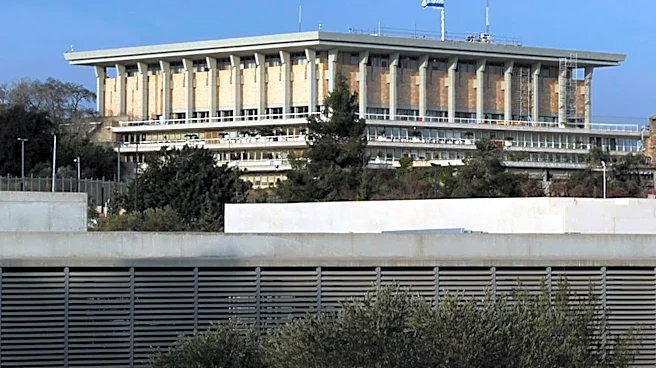
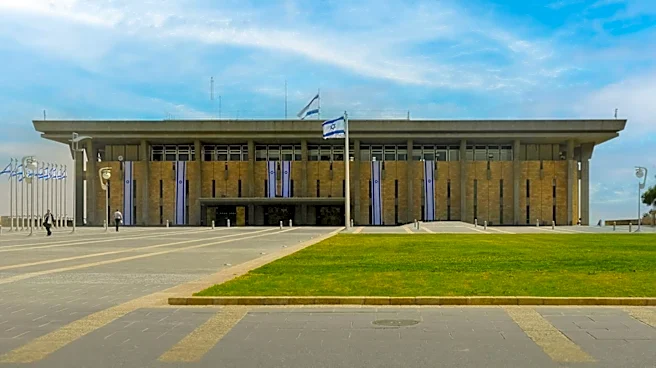
prompting calls for increased Haredi conscription. Despite the national need, mainstream Haredi leaders continue to view broad conscription as a threat to their community's way of life. The Supreme Court has ruled that the state must enforce the Security Service Law on yeshivah students, but enforcement has been met with resistance and limited compliance. The Knesset has struggled to pass effective legislation, leading to cultural and political tensions.
Why It's Important?
The Haredi draft debate highlights the broader societal and cultural divisions within Israel, as well as the challenges of balancing national security needs with religious and cultural values. The issue has significant implications for Israeli politics, as it affects coalition dynamics and public opinion. The ongoing conflict and manpower shortages have increased pressure on the government to find a resolution, but the lack of consensus and strong opposition from Haredi leaders complicate efforts to implement effective policies. The outcome of this debate could impact Israel's military readiness and social cohesion.
What's Next?
As the conflict continues, the Israeli government will need to address the manpower shortages and find a resolution to the Haredi draft issue. This may involve negotiating compromises with Haredi leaders or implementing alternative policies to meet military needs. The upcoming elections could also influence the debate, as political parties may use the issue to gain support or differentiate themselves from opponents. The Supreme Court's involvement and public opinion will continue to play a role in shaping the outcome of this contentious issue.