







What's Happening?
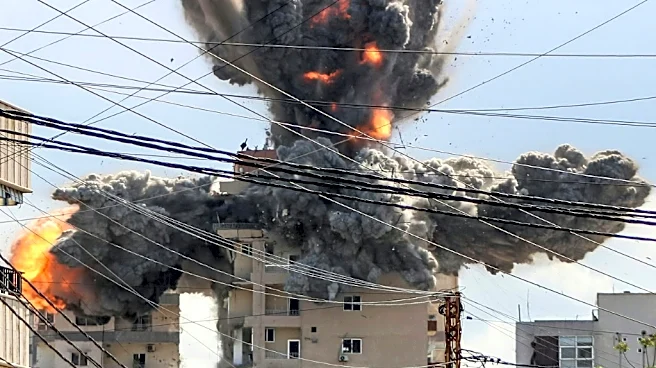
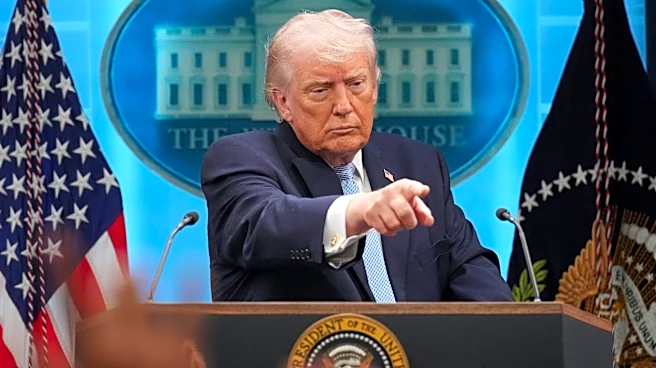
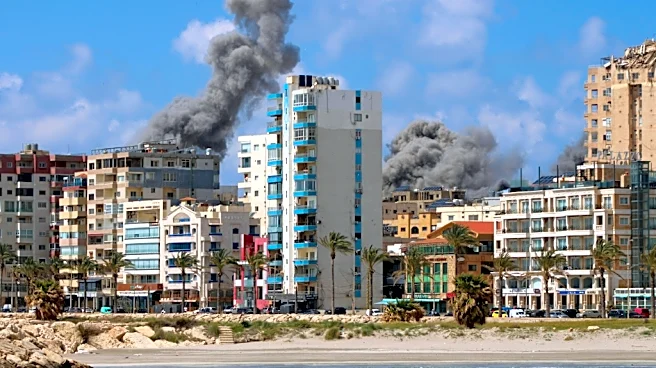
The United States and Iran have reached an agreement to implement a two-week ceasefire, providing a temporary halt to hostilities. This development comes amidst ongoing tensions and conflict in the region, which have had significant global repercussions.
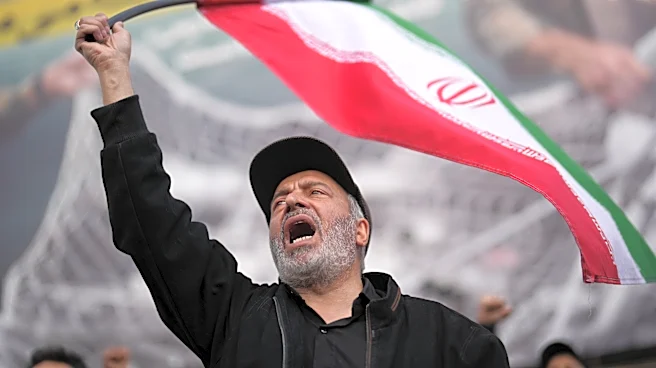
The ceasefire aims to reduce immediate violence and create a window for potential diplomatic negotiations. The response from Iranian citizens has been mixed, reflecting the complex socio-political landscape within the country.
Why It's Important?
The ceasefire between the U.S. and Iran is crucial in mitigating further escalation of conflict, which has already impacted global markets and political stability. Investors worldwide have experienced volatility due to the uncertainty surrounding the conflict. A ceasefire provides an opportunity for diplomatic efforts to address underlying issues, potentially leading to more sustainable peace. The agreement also affects U.S. foreign policy and military strategy, influencing international relations and security dynamics.
What's Next?
Following the ceasefire, diplomatic channels may open for negotiations aimed at resolving the conflict. Stakeholders, including political leaders and international organizations, will likely engage in discussions to address the root causes of the tension. Monitoring the situation closely, the U.S. government may adjust its foreign policy approach based on developments during the ceasefire period. The international community will watch for signs of lasting peace or potential resumption of hostilities.