





What's Happening?
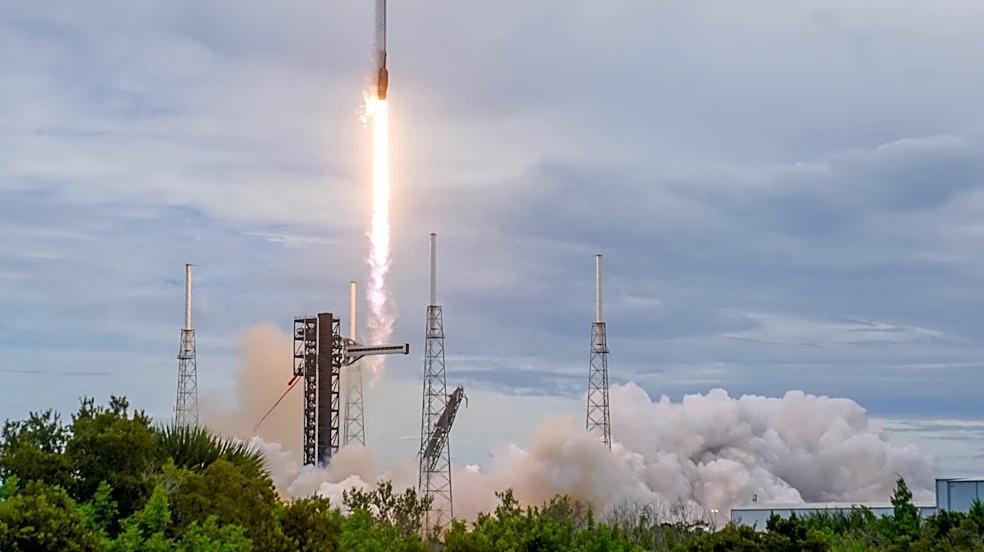
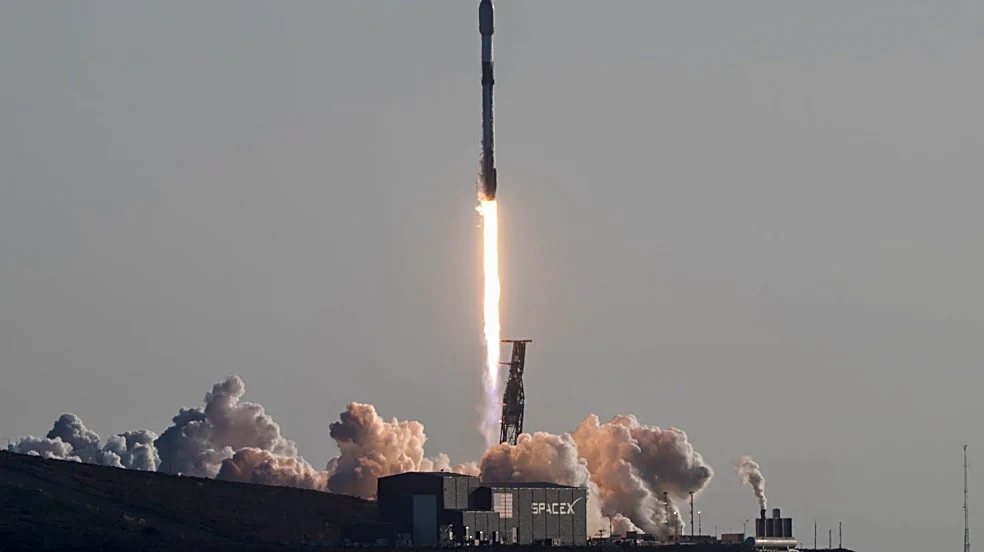
Two NASA-funded commercial satellite communication demonstrations have successfully launched into low Earth orbit aboard the SpaceX Bandwagon-5 rideshare. These demonstrations, led by NASA's partners Viasat and SES Space and Defense, aim to showcase advanced
satellite communications capabilities crucial for future science missions. Spacecraft require both high-rate data links for transmitting large volumes of information, such as scientific discoveries and 4K imagery, and low-rate signals for tracking and basic command transmission. Viasat will utilize its Maxwell demonstration spacecraft, built by Rocket Lab, to test high- and low-rate relay services, employing intelligent autonomous technology to route data among Maxwell, their geosynchronous satellites, and global ground stations. Similarly, SES Space and Defense will test seamless, uninterrupted connectivity using their O3b mPOWER fleet in medium Earth orbit for high-rate data and geosynchronous satellites for low-rate data, transmitting between the demonstration spacecraft and their ground stations. These efforts are part of NASA's broader strategy to transition its low Earth orbit missions to commercial alternatives, gradually retiring its Tracking and Data Relay Satellite fleet.
Why It's Important?
These demonstrations are critical for the future of U.S. space exploration and scientific research. Reliable and efficient communication is fundamental for all space missions, enabling the transmission of vital scientific data and operational commands. By leveraging commercial partners like Viasat and SES Space and Defense, NASA aims to enhance its communication infrastructure, ensuring continuous connectivity across the solar system. This transition to commercial services is expected to foster innovation in the private sector, potentially leading to more cost-effective and technologically advanced communication solutions for space. The success of these demonstrations will directly impact the capabilities of future NASA missions, allowing for more ambitious scientific endeavors and the collection of richer data. Furthermore, it signifies a strategic shift in how NASA manages its communication needs, moving towards a model that integrates private industry capabilities more deeply into its operational framework, which could set a precedent for other government agencies.
What's Next?
Over the coming weeks, Viasat and SES Space and Defense will actively prepare and conduct tests of their high- and low-rate communication capabilities. The Communications Services Project, managed by NASA’s Glenn Research Center, will continue to work with these and other industry partners to test state-of-the-art relay capabilities through 2027. The data and insights gathered from these demonstrations will be crucial for NASA to evaluate new methods for real-time information delivery through space. The agency's ultimate goal is to fully transition its future low Earth orbit missions to commercial communication services, which will involve a gradual retirement of its existing Tracking and Data Relay Satellite fleet. The outcomes of these tests will inform NASA's long-term procurement strategies for space communication services and could influence the development of new commercial offerings in the satellite communication industry.
Beyond the Headlines
The shift towards commercial satellite communication services by NASA represents a significant evolution in the operational paradigm of space agencies. This move not only aims to improve efficiency and reduce costs but also fosters a more robust and competitive commercial space industry. By outsourcing communication infrastructure, NASA can reallocate resources to core scientific research and exploration, potentially accelerating discoveries. This strategy also encourages technological advancements within the private sector, as companies compete to provide the most innovative and reliable services. The long-term implications include a potential reduction in government-funded infrastructure development, with a greater reliance on private investment and innovation. This could lead to a more dynamic and responsive ecosystem for space communications, benefiting not only government missions but also private ventures in space, such as commercial space stations and private lunar missions. The ethical considerations revolve around data security and sovereignty when relying on commercial entities for critical mission communications.