








What's Happening?
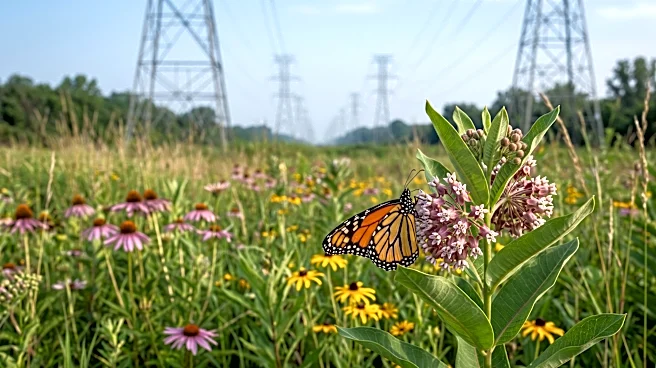
ComEd, in collaboration with various Illinois energy utilities and transportation agencies, is actively transforming rights-of-way into supportive habitats for monarch butterflies. This initiative is part of the Nationwide Candidate Conservation Agreement
with Assurances for Monarch Butterfly on Energy and Transportation Lands (Monarch CCAA), an agreement developed six years ago by approximately 40 energy and transportation organizations. The Monarch CCAA, valid through 2045, encourages landowners and managers to implement conservation efforts. In Illinois, this has led to a significant increase in milkweed stem counts, the monarch's host plant, with half of the 108 million stem gain between 2014 and 2024 occurring in rights-of-way. ComEd's practices include reducing mowing, planting native species, controlling invasive plants, and utilizing controlled burning. The Illinois Department of Transportation (IDOT) has also pledged 401,000 acres of rights-of-way for monarch support, implementing similar strategies like less frequent mowing and targeted herbicide application.
Why It's Important?
This collaborative effort is crucial for the conservation of monarch butterflies, which are the state insect of Illinois and face habitat loss. By converting utility and transportation rights-of-way into pollinator-friendly areas, the initiative provides vital resources for the monarchs' annual migration. The Monarch CCAA demonstrates a proactive approach by industries to address environmental concerns, showcasing how infrastructure management can align with ecological preservation. Beyond direct benefits to monarchs, these practices also contribute to broader ecosystem health by promoting native plant species and controlling invasive ones. For utilities like ComEd, participation in such agreements can also help ensure operational continuity, as it allows them to continue their work even if a species becomes endangered, while simultaneously fostering goodwill and community engagement through volunteer programs and environmental education.
What's Next?
The Monarch CCAA is set to continue through 2045, indicating a long-term commitment to monarch conservation. Future efforts will likely involve ongoing monitoring of milkweed stem counts and monarch populations to assess the effectiveness of the implemented strategies. ComEd and IDOT are expected to maintain their current practices, including controlled burning, native plant restoration, and invasive species removal. There may also be continued expansion of educational programs, such as ComEd's Mighty Acorns program, to engage younger generations in environmental stewardship. The success of these programs could serve as a model for other states and industries, potentially leading to broader adoption of similar conservation agreements across the nation's energy and transportation sectors.
Beyond the Headlines
The initiative highlights a significant shift in how industrial land, traditionally managed for operational efficiency, can be repurposed for ecological benefit. It underscores the concept of 'rights-of-way as habitat,' transforming linear infrastructure corridors into biodiversity pathways. This approach not only aids in species conservation but also offers less obvious benefits, such as improved roadside aesthetics, absorption of runoff, and carbon sequestration. The legally binding nature of CCAA agreements suggests a growing trend towards corporate environmental responsibility that goes beyond mere compliance, integrating conservation directly into business operations. This model could inspire other sectors to re-evaluate their land management practices, fostering a more integrated approach to infrastructure development and environmental sustainability.