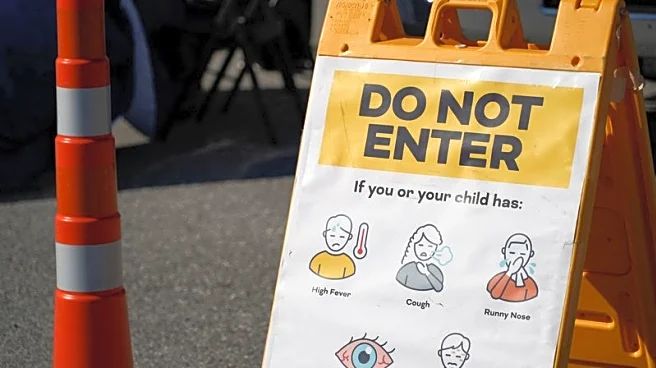




What's Happening?
The Centers for Disease Control and Prevention (CDC) has reported 982 measles cases in the United States for the year 2026, marking a significant increase compared to the same period last year. This surge is attributed to ongoing outbreaks in several
states, including Utah, Arizona, and South Carolina, with the latter experiencing the largest outbreak in a generation. South Carolina alone has reported nearly 800 cases since January. The majority of cases are among unvaccinated individuals, highlighting the critical role of vaccination in preventing the spread of this highly contagious virus. The CDC notes that while most people recover from measles, the virus can lead to severe complications, including long-term health issues and, in rare cases, fatal brain inflammation.
Why It's Important?
The rise in measles cases underscores the importance of maintaining high vaccination rates to prevent outbreaks of vaccine-preventable diseases. The current situation poses a significant public health challenge, as measles can lead to severe health complications and strain healthcare resources. The outbreak also highlights the potential consequences of declining vaccination rates, which could lead to the loss of the U.S.'s measles elimination status. This situation serves as a reminder of the critical need for public health initiatives to promote vaccination and educate the public about the benefits and safety of vaccines.
What's Next?
Public health officials are likely to intensify efforts to increase vaccination rates, particularly in areas with ongoing outbreaks. This may involve setting up mobile vaccination clinics and conducting public awareness campaigns to encourage vaccination. Additionally, healthcare providers may need to prepare for an increase in measles-related hospitalizations and complications. Policymakers might also consider implementing stricter vaccination requirements to prevent future outbreaks. The situation will require close monitoring to prevent further spread and to protect vulnerable populations, such as children and immunocompromised individuals.