

What's Happening?
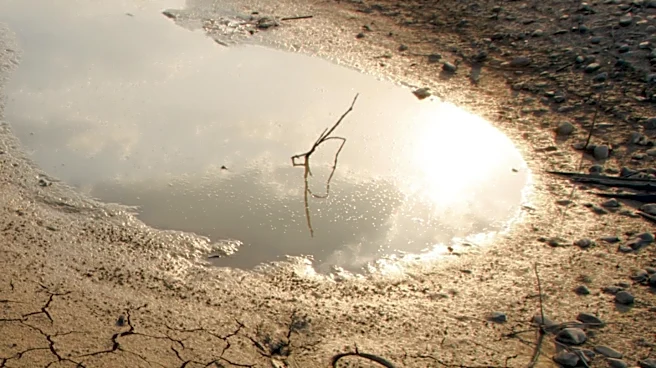
Despite a strong El Niño forecast, the western U.S. is expected to continue experiencing drought conditions through the winter, according to Matt Makins of Makins Weather. Parts of Colorado, the Rocky Mountains, Utah, and the Great Basin are currently
facing some of the most severe drought conditions on record, dating back to 1895. Makins' analysis indicates that even if these areas receive the maximum precipitation associated with past El Niño events, much of the West will likely remain in drought after the winter season. While some improvement in reservoirs, soil moisture, and forage conditions is anticipated, the existing hydrological deficit is too substantial to be erased by a single wet season.
Why It's Important?
The persistence of drought in the western U.S., even with a strong El Niño, has significant implications for water supplies, agriculture, and ecosystems across the region. Producers will continue to face concerns regarding water availability for crops and livestock, potentially leading to ongoing economic challenges for the agricultural sector. The inability of one wet season to fully replenish water resources means that communities and industries will need to maintain conservation efforts and adapt to long-term water scarcity. This situation underscores the severity of the current drought and the need for sustained, multi-year recovery efforts to restore water supplies to normal levels, impacting regional planning and resource allocation.
What's Next?
Western producers and communities should not expect a complete alleviation of drought conditions this winter, despite the potential for increased precipitation from El Niño. The outlook suggests that multiple wet seasons will be required for water supplies and long-term drought measures to return to normal. This implies a continued focus on water conservation, efficient water use practices, and potentially the exploration of alternative water sources. State and local governments, along with agricultural organizations, will likely need to develop and implement long-term strategies to build resilience against persistent drought conditions, including investments in water infrastructure and sustainable land management practices.
Beyond the Headlines
The anticipated persistence of the western U.S. drought, even in the face of a strong El Niño, highlights the profound and long-lasting impacts of climate change on regional water cycles. This scenario challenges the traditional reliance on seasonal weather patterns for drought relief and underscores the concept of a 'new normal' for water availability in arid and semi-arid regions. It also brings into focus the complex interplay between global climate phenomena like El Niño and localized environmental conditions. The need for multiple wet seasons to recover from the current deficit suggests a fundamental shift in hydrological balances, prompting deeper discussions about long-term climate adaptation, water policy reform, and the sustainable development of water-stressed regions.