







What's Happening?
New research from Edith Cowan University and The Kids Research Institute Australia indicates that antibiotics administered to mothers during labor may significantly increase the risk of allergy-related conditions in their babies during the first year
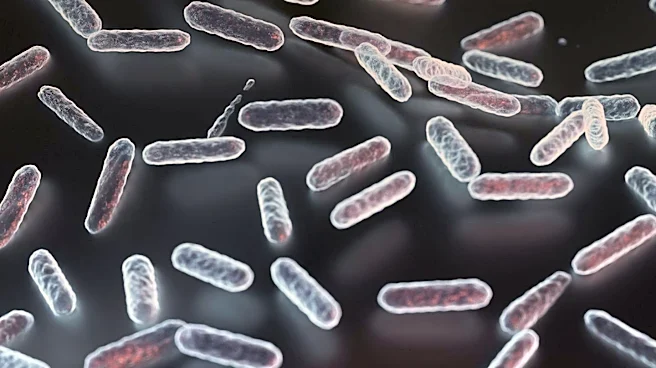
of life. The study, which followed over 560 mothers and babies, found that infants exposed to antibiotics during labor were more than three times more likely to develop allergy sensitization, nearly six times more likely to have food allergies, and over six times more likely to develop atopic eczema. Researchers hypothesize that these antibiotics disrupt the healthy gut bacteria crucial for training a baby's developing immune system around birth. However, the study also revealed a positive outcome: mothers who took a daily prebiotic supplement from mid-pregnancy until six months postpartum did not observe the same spike in allergy risks in their babies.
Why It's Important?
This research has substantial implications for maternal and infant health in the U.S., where childhood allergy rates are high. While antibiotics during labor are often life-saving, particularly for preventing Group B Streptococcus (GBS) infection, these findings highlight a potential unintended consequence on infant immune development. The increased risk of food allergies and eczema could lead to greater healthcare burdens, parental stress, and long-term health issues for affected children. The promising role of maternal prebiotic supplementation offers a potential strategy to mitigate these risks, providing a new avenue for preventative care. This could influence prenatal and postnatal care guidelines, encouraging discussions between healthcare providers and expectant mothers about gut health and allergy prevention.
What's Next?
The findings, published in 'Allergy: European Journal of Allergy and Clinical Immunology,' are expected to prompt further investigation into the mechanisms by which intrapartum antibiotics affect infant gut microbiota and immune development. While researchers emphasize that women should not refuse medically necessary antibiotics, the study suggests a need for increased awareness and potential interventions. Future steps may include clinical trials to confirm the efficacy of prebiotic supplementation in larger populations and to develop specific guidelines for its use in mothers receiving antibiotics during labor. Healthcare providers may begin to discuss the potential benefits of prebiotics with pregnant individuals, particularly those at higher risk or those who anticipate receiving antibiotics during childbirth.
Beyond the Headlines
This study delves into the intricate connection between the maternal microbiome, early life exposures, and the long-term health outcomes of infants. The disruption of a baby's developing immune system by antibiotics during a critical window around birth underscores the profound impact of early environmental factors. It highlights the concept of 'developmental programming,' where early life events can shape an individual's susceptibility to diseases later in life. The positive effect of prebiotics points towards the potential of microbiome-targeted interventions to modulate immune responses and prevent chronic conditions. This research could also spur innovation in probiotic and prebiotic formulations specifically designed for pregnant and lactating individuals, aiming to optimize infant health from the earliest stages.