


What's Happening?
The ongoing conflict involving Iran has intensified, leading to direct attacks on commercial container vessels. As of March 11, 2026, three container ships have been struck by unidentified projectiles, causing significant disruptions. A Thai-flagged vessel was
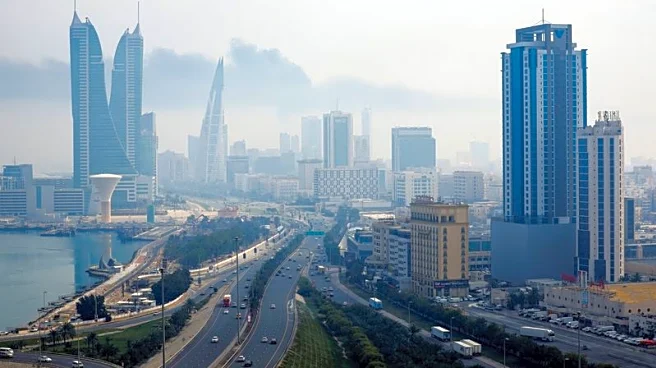
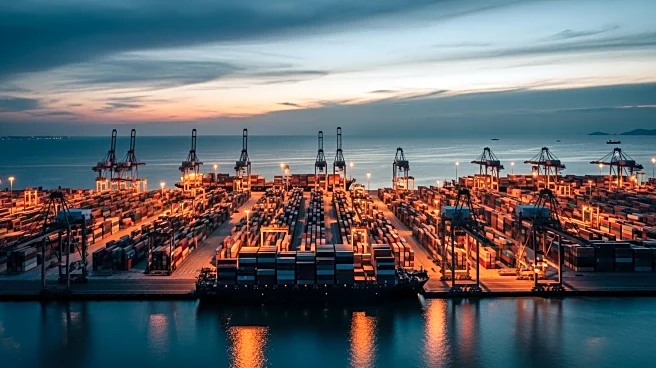
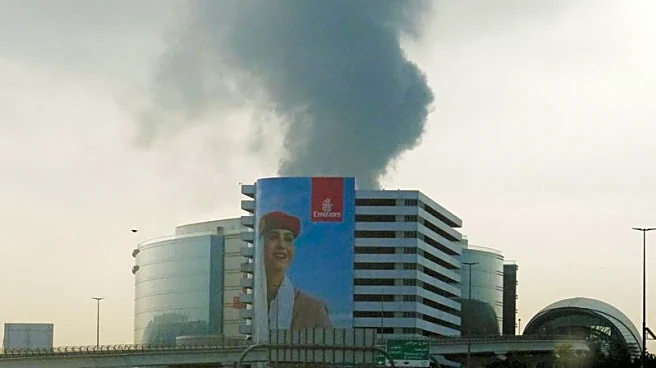
hit near Oman, resulting in a fire, while a Japan-flagged ship sustained minor damage off the coast of the United Arab Emirates. Another vessel was attacked northwest of Dubai. These incidents are straining the global supply chain, as major containership operators have begun notifying cargo owners of terminated carriage agreements, opting to drop cargo at alternative ports. This situation raises concerns about the safety and suitability of these 'nearby' ports, with some operators making seemingly arbitrary decisions on where to offload containers. Ports in the UAE, Bahrain, Oman, and Saudi Arabia are experiencing operational suspensions and delays, while major hubs like Singapore and Rotterdam are feeling the pressure from redirected cargo.
Why It's Important?
The escalation of the Middle East crisis poses significant challenges to global trade and logistics. The attacks on commercial vessels disrupt the supply chain, leading to potential economic repercussions worldwide. Ports are facing increased container traffic, resulting in delays, higher labor costs, and storage shortages. This situation could lead to a rise in claims for cargo loss or damage, particularly where ports cannot provide adequate storage. The financial implications for vessel owners and cargo insurers are substantial, as many claims may not be recoverable under existing policies. The crisis underscores the vulnerability of global trade routes to geopolitical tensions and highlights the need for robust contingency planning by shipping companies and port authorities.
What's Next?
As the situation develops, ports and shipping companies will need to adapt to the changing landscape. This may involve rerouting vessels, enhancing security measures, and negotiating new contractual terms with cargo owners. The insurance industry will also play a crucial role in addressing claims and providing coverage for affected parties. Stakeholders, including governments and international organizations, may need to intervene to stabilize the region and ensure the safety of maritime operations. The long-term impact on global trade patterns and port operations will depend on the resolution of the conflict and the ability of the shipping industry to manage the disruptions effectively.