



What's Happening?
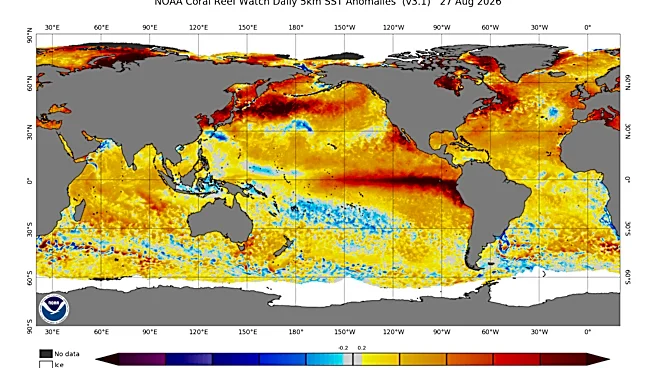
La Niña, the opposite phase of the El Niño-Southern Oscillation (ENSO) climate cycle, is characterized by stronger-than-normal trade winds pushing warm water toward Asia. This phenomenon allows colder, nutrient-rich water to rise in the eastern Pacific
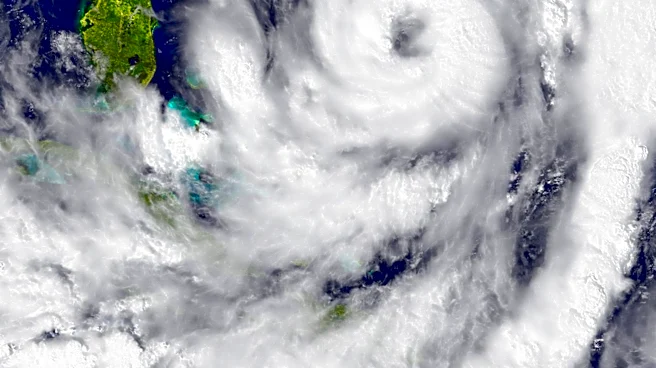
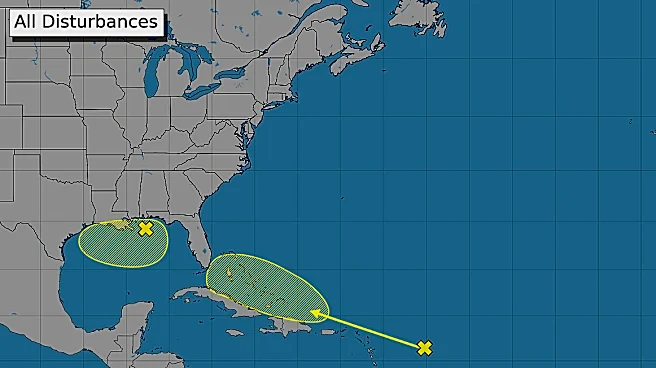
Ocean. According to the National Oceanic and Atmospheric Administration (NOAA), these cooler ocean temperatures can significantly shift global weather patterns. For the United States, La Niña typically leads to drier conditions across the southern regions and wetter weather in the Pacific Northwest. Additionally, it is associated with a more active Atlantic hurricane season. During La Niña winters, the southern U.S. tends to experience warmer temperatures, while the northern U.S. generally sees cooler conditions. This climate pattern is a naturally occurring cycle that, along with El Niño, represents the two extremes of the ENSO, which is considered the largest source of year-to-year climate variation.
Why It's Important?
The onset of La Niña carries significant implications for various sectors across the U.S. The projected drier conditions in the southern U.S. could exacerbate existing drought concerns, impacting agriculture, water resources, and increasing the risk of wildfires in states already prone to such events. Conversely, the anticipated wetter weather in the Pacific Northwest could bring relief to some areas but also raise concerns about flooding and landslides. A more active Atlantic hurricane season poses a direct threat to coastal communities from Texas to Florida, increasing the potential for property damage, economic disruption, and loss of life. Industries such as insurance, tourism, and fishing are particularly vulnerable to these weather extremes. Furthermore, the shift in winter temperatures, with warmer conditions in the South and cooler in the North, will influence energy consumption patterns, affecting utility companies and consumer spending on heating.
What's Next?
As La Niña strengthens, weather patterns across the U.S. are expected to align with its typical influences. Southern states should prepare for prolonged dry spells and potential water conservation measures, while the Pacific Northwest may need to brace for increased precipitation. Coastal regions along the Atlantic and Gulf of Mexico will likely face an elevated risk of tropical storms and hurricanes, necessitating enhanced preparedness and emergency response efforts. Businesses and agricultural sectors in affected areas will need to monitor forecasts closely to mitigate potential losses. The National Weather Service and NOAA will continue to issue advisories and updated outlooks, providing crucial information for planning and adaptation. Communities and policymakers will need to consider long-term strategies to build resilience against the recurring impacts of ENSO cycles, especially given the potential for climate change to influence the intensity and frequency of these events.
Beyond the Headlines
The recurring nature of La Niña and El Niño highlights the profound interconnectedness of global climate systems and their localized impacts. Beyond immediate weather effects, these patterns underscore the need for robust climate adaptation strategies and infrastructure development. The economic volatility introduced by such climate phenomena can make long-term planning challenging for industries like agriculture, which relies heavily on predictable weather patterns. The increased frequency and severity of weather shocks, as noted by economists, are making economic forecasting more difficult, impacting everything from food prices to investment decisions. This situation also brings to light the ethical considerations of climate change, with some scientists suggesting that global warming may be 'supercharging' El Niño events, potentially leading to more extreme climate events and amplifying ecological, infrastructural, and human losses. This necessitates a broader societal discussion on climate resilience and sustainable practices.