




What's Happening?
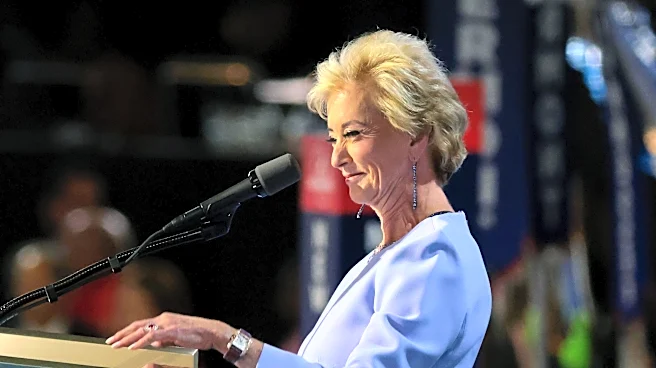
Education Secretary Linda McMahon recently attended an event at Westlake High School promoting President Trump’s revamped Presidential Fitness Test. During her appearance, McMahon stated that individuals do not need to be athletes to benefit from the
test, encouraging participants to set goals for self-improvement in strength, agility, and overall athleticism. The event also featured Secretary of Health & Human Services Robert F. Kennedy Jr. and World Wrestling Entertainment personalities. The Presidential Fitness Test is required for Department of Defense accredited K-12 schools on U.S. military installations and is optional for other schools. It aims to provide core strength, cardio, and upper body fitness targets for children aged six to 17+. However, guidelines for the test's frequency, administration, or data collection have not yet been publicly released. The White House's webpage indicates that 'Presidential' and 'National' recognition levels are designed to motivate students to set goals, track progress, and celebrate achievements.
Why It's Important?
The reintroduction of the Presidential Fitness Test and the administration's emphasis on physical fitness highlight a national concern regarding childhood obesity, with over one in five American adolescents diagnosed with the condition. Promoting healthy habits, including adequate exercise and maintaining a healthy weight during adolescence, is linked to healthier behaviors in adulthood. However, the current approach raises questions about its effectiveness for non-athletic students. Critics argue that the test primarily rewards those who already meet athletic standards and may not adequately support students who struggle with fitness. The lack of follow-up on test results by both the Department of Health and Human Services and the Education Department, beyond participation certificates, suggests a potential missed opportunity to mobilize support for students who do not meet the 'Presidential' standards. This could perpetuate a system that recognizes existing fitness rather than fostering improvement across all student populations.
What's Next?
The Department of Health and Human Services has committed resources to the implementation of the Presidential Fitness Test, including the Presidential Fitness School Innovation Challenge, which offers $7 million in cash prizes for innovative approaches. This initiative places the burden on schools to effectively implement and administer the test. However, schools that are least equipped to innovate impressive fitness regimens may be the ones most in need of funding and support. The administration's current strategy focuses on measurement as the primary solution to poor national fitness, but without clear mechanisms for intervention or support based on test results, its long-term impact on improving overall student health remains uncertain. Future developments will likely involve further clarification of guidelines, data collection methods, and potential programs designed to assist students who do not meet the fitness targets.
Beyond the Headlines
The revamped Presidential Fitness Test, while aiming to address childhood obesity, faces deeper implications regarding equity and student well-being. The rigid pass/fail threshold may not account for factors such as disabilities, chronic illness, or socioeconomic situations that affect a child's ability to meet fitness standards. A child without access to parks, youth sports programs, quality recreation spaces, or consistent nutrition is at a significant disadvantage compared to those with ample resources. This approach contrasts with the Obama administration's 2012 shift away from the original test towards FitnessGram assessments and initiatives emphasizing individual progress over comparative performance. The current test's focus on 'awards ceremonies' rather than actionable support for all students could inadvertently exacerbate existing disparities and potentially contribute to negative body image or harmful eating practices among non-athletes and athletes alike, as highlighted by the National Eating Disorders Association's findings on college athletes.