









What's Happening?
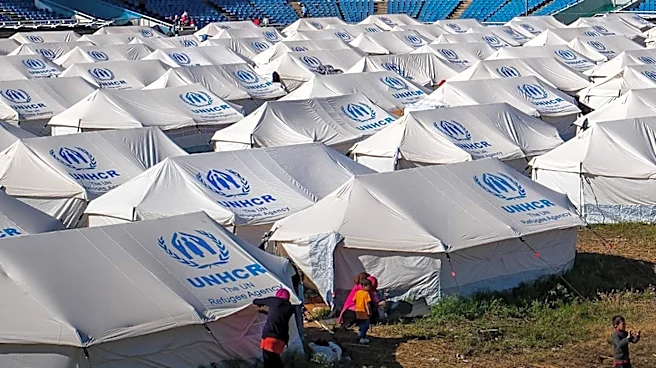
The United Nations Refugee Convention, established in 1951, marks its 75th anniversary amid ongoing challenges and criticisms. The Convention, which provides a framework for the protection of refugees, has faced neglect and subversion by state parties
over the years. Wealthier nations, such as Australia, have been criticized for their harsh policies towards asylum seekers, including the controversial Operation Sovereign Borders. The Convention's principles of non-discrimination, non-penalization, and non-refoulement remain vital, yet the document has been criticized for not addressing modern refugee crises, such as those caused by climate change or economic hardship. The UN High Commissioner for Refugees has also faced funding shortfalls, impacting its ability to support displaced populations.
Why It's Important?
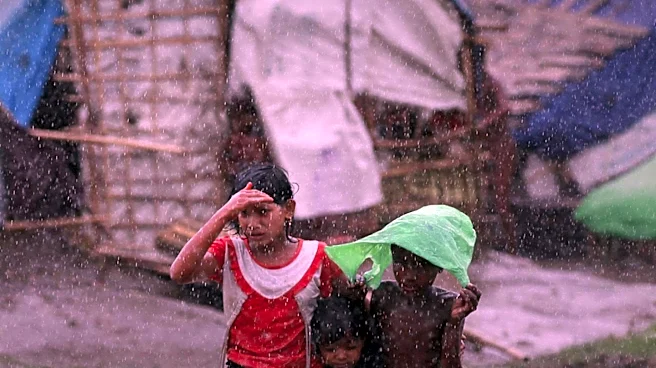
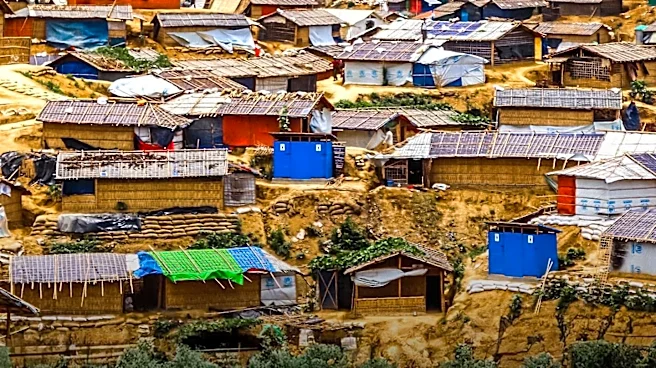
The anniversary of the UN Refugee Convention highlights the ongoing global refugee crisis and the need for international cooperation in addressing displacement. The Convention's limitations in addressing contemporary issues, such as climate-induced displacement, underscore the need for reform and adaptation. The lack of a mechanism for responsibility-sharing places a disproportionate burden on low- and middle-income countries, exacerbating global inequalities. The Convention's principles remain crucial for protecting vulnerable populations, but the challenges it faces reflect broader geopolitical tensions and the rise of nationalist policies that prioritize border security over humanitarian obligations.
Beyond the Headlines
The debate over the UN Refugee Convention reflects broader ethical and legal questions about the responsibilities of nations towards displaced individuals. The rise of artificial intelligence in border control and surveillance raises concerns about privacy and human rights. The Convention's anniversary serves as a reminder of the need for a more inclusive and adaptive framework that addresses the root causes of displacement and promotes equitable responsibility-sharing among nations. The role of international organizations and civil society in advocating for refugee rights remains critical in shaping future policies.