
What's Happening?
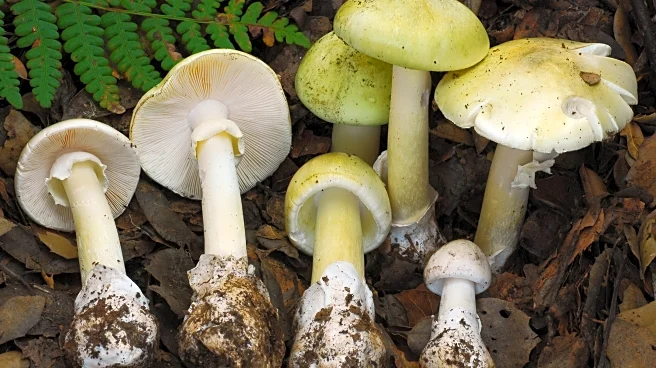
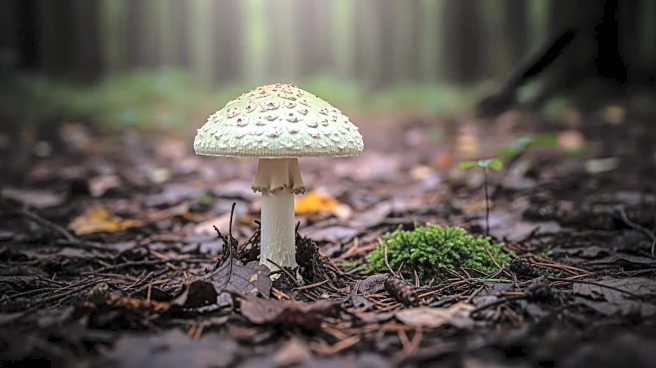
A recent surge in poisonings from death cap mushrooms has been reported in California, with 35 cases recorded between November 18 and January 4, significantly higher than the usual annual average of fewer
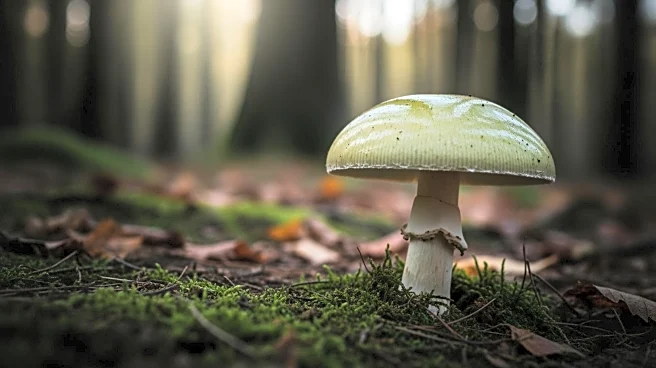
than five. The death cap mushroom, Amanita phalloides, is an invasive species that originated in Europe and is now found in California, particularly near oak and pine trees. The toxin in these mushrooms, amatoxin, can cause severe liver damage and is responsible for about 90% of fatal mushroom poisonings. The California health department has issued warnings against consuming foraged mushrooms, as some toxic varieties closely resemble edible ones. The most recent fatality occurred in Sonoma County, marking the third death in the state since November.
Why It's Important?
The increase in death cap mushroom poisonings highlights the dangers of foraging for wild mushrooms without proper knowledge. This situation poses a significant public health risk, particularly for communities that may rely on traditional foraging practices. The health department's warnings aim to prevent further incidents by encouraging the purchase of mushrooms from trusted sources. The economic impact includes potential healthcare costs for treating poisonings, which can be severe enough to require liver transplants. Additionally, the situation underscores the need for public education on the risks associated with wild mushroom consumption.
What's Next?
As the season for death cap mushrooms may be winding down, according to local mycologists, the immediate risk might decrease. However, ongoing public health campaigns and educational efforts will be crucial in preventing future poisonings. The health department may continue to monitor the situation and issue further advisories as necessary. There may also be increased collaboration with community organizations to educate the public, particularly in areas with high foraging activity.