



What's Happening?
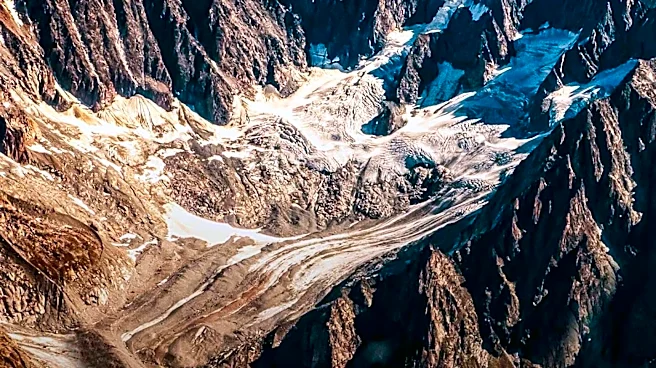
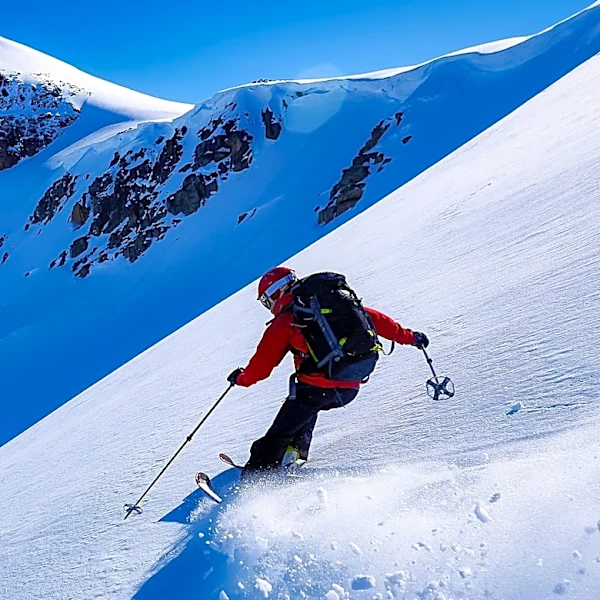
Alpine terrain is characterized as the environment found above the bushline, featuring steep, rocky slopes, scree, and drop-offs. The vegetation in these areas consists primarily of lower-growing plants such as native grasses and shrubs. This type of environment is known
for its extreme weather conditions, including colder temperatures, stronger winds, increased rainfall, and the presence of ice and snow throughout the year. Entering alpine terrain, even in non-winter seasons, presents a rugged environment where minor errors can lead to significant consequences. During winter, alpine excursions become considerably more challenging due to persistent cold, ice, snow, and avalanche risks. Individuals planning trips that may involve alpine terrain are advised to research their routes thoroughly and prepare accordingly. Specialized skills and equipment are often necessary for safe travel in these conditions.
Why It's Important?
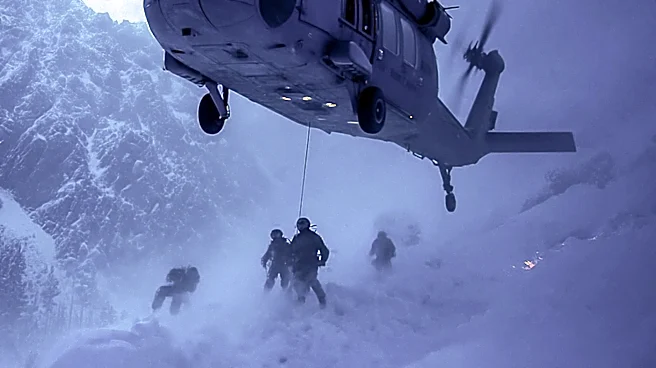
Understanding the definition and characteristics of alpine terrain is crucial for safety and preparedness, particularly for those engaging in outdoor activities in mountainous regions. The inherent dangers, such as extreme weather, difficult topography, and the potential for avalanches, necessitate specific knowledge, skills, and equipment. For outdoor enthusiasts, hikers, and mountaineers, recognizing alpine conditions allows for appropriate trip planning, including route selection, gear preparation, and skill assessment. This knowledge directly impacts personal safety and can prevent accidents or emergencies. Furthermore, for search and rescue organizations, a clear understanding of alpine environments is vital for effective response and operations. The distinction between alpine and non-alpine terrain helps in assessing risk levels and deploying suitable resources, ultimately contributing to public safety in rugged natural landscapes.
What's Next?
Individuals planning to venture into areas that might include alpine terrain are advised to undertake comprehensive preparation. This includes researching the specific route, checking current weather and ground conditions, and seeking advice from reliable sources such as park services or mountaineering clubs. For those intending to travel in snowy or icy alpine conditions, formal, hands-on training from accredited providers is essential to acquire necessary skills. This training should cover equipment usage, such as crampons and ice axes, self-arrest techniques, recognizing hazardous surface conditions, and safe travel on steep terrain. Additionally, checking local avalanche forecasts and carrying appropriate avalanche rescue equipment, along with knowing how to use it, is critical for safety in snow-covered alpine environments. Continued education and practical experience in lower-consequence terrain are recommended to build proficiency.
Beyond the Headlines
The clear definition of alpine terrain extends beyond immediate safety concerns to influence broader aspects of land management, environmental conservation, and recreational policy. For land managers, this classification helps in designating protected areas, regulating access, and implementing conservation strategies tailored to the unique and fragile ecosystems found above the bushline. Environmentally, alpine regions are often sensitive indicators of climate change, and understanding their characteristics is vital for monitoring ecological shifts and developing adaptation measures. Culturally, these challenging landscapes have shaped human endeavors, inspiring mountaineering, exploration, and a deep respect for nature's power. The emphasis on specialized skills and equipment also highlights a growing trend in outdoor recreation towards greater professionalism and responsibility, encouraging participants to invest in training and knowledge rather than solely relying on equipment. This fosters a more sustainable and safer approach to engaging with high-altitude natural environments.