

What's Happening?
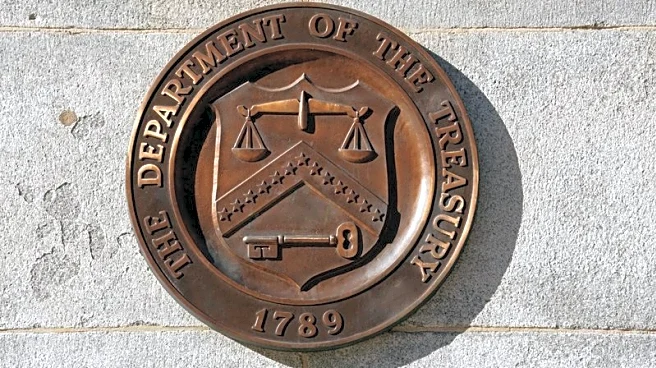
The U.S. Treasury has imposed sanctions on two companies and their associates involved in the acquisition and resale of zero-day exploits, which are security vulnerabilities unknown to software developers. The primary target of these sanctions is Operation
Zero, a Russian firm that has been active since 2021. This company gained attention for offering substantial bounties for zero-day exploits in popular devices and applications, such as Android and iPhones. The Treasury's Office of Foreign Assets Control (OFAC) highlighted that these exploits could be used for ransomware attacks and other malicious activities, posing a threat to U.S. national security and foreign policy. Sergey Zelenyuk, the founder of Operation Zero, is accused of selling these exploits to foreign intelligence agencies and developing spyware technologies. The sanctions coincide with an FBI investigation into Peter Williams, a former manager at U.S. defense contractor L3Harris, who pleaded guilty to selling company exploits to a Russian broker, now identified as Operation Zero.
Why It's Important?
The sanctions underscore the U.S. government's commitment to protecting its national security and economic interests from cyber threats. Zero-day exploits are particularly dangerous as they can be used to infiltrate systems without detection, leading to potential espionage or cyberattacks. By targeting Operation Zero and its associates, the U.S. aims to disrupt the market for these vulnerabilities and deter other entities from engaging in similar activities. This action also highlights the ongoing geopolitical tensions between the U.S. and Russia, particularly in the realm of cybersecurity. The sanctions could have significant implications for international relations and the global cybersecurity landscape, as they may prompt other countries to take similar measures against entities involved in cyber exploitation.
What's Next?
The U.S. Treasury's actions may lead to increased scrutiny of companies involved in the zero-day market, potentially resulting in further sanctions or legal actions. The sanctions could also prompt Operation Zero and similar entities to alter their business practices or seek new markets. Additionally, the U.S. government may enhance its cybersecurity measures and collaborate with international partners to prevent the proliferation of zero-day exploits. The response from Russia and other affected parties remains to be seen, but it could involve diplomatic or economic countermeasures. The situation may also influence future cybersecurity policies and international agreements aimed at curbing the trade of cyber vulnerabilities.