







What's Happening?
Millennials, born between 1981 and 1996, are confronting a challenging retirement outlook as rising living costs, uncertain Social Security benefits, and increased financial obligations make traditional retirement increasingly difficult to achieve. Despite
many being in their prime earning years (30 to 45 years old), they face significant pressures from housing costs, childcare expenses, student loans, and healthcare. A Federal Reserve survey from May 2026 indicated that only 35% of non-retired adults, including most Millennials, believe their retirement savings are on track. The Social Security Administration's 2026 Trustees Report projects that the combined Social Security trust funds will be able to pay full benefits until 2034, with approximately 83% payable after reserve depletion without legislative changes. This uncertainty prompts Millennials to question whether to build retirement plans around potentially altered benefits.
Why It's Important?
The financial struggles of Millennials in saving for retirement have significant implications for the U.S. economy and society. This generation has experienced major economic disruptions, including the Great Recession and the COVID-19 pandemic, coupled with a shift in retirement funding responsibility towards individual savings. If a large segment of the population cannot afford to retire, it could strain social services, impact labor markets by delaying workforce exits, and potentially reduce consumer spending in retirement. The uncertainty surrounding Social Security's long-term solvency adds another layer of complexity, forcing Millennials to adopt a cautious strategy where Social Security is seen as a supplementary component rather than the foundation of their retirement plan. This situation underscores a broader systemic issue where the current retirement system may not be adequately equipped to support the financial realities faced by younger generations.
What's Next?
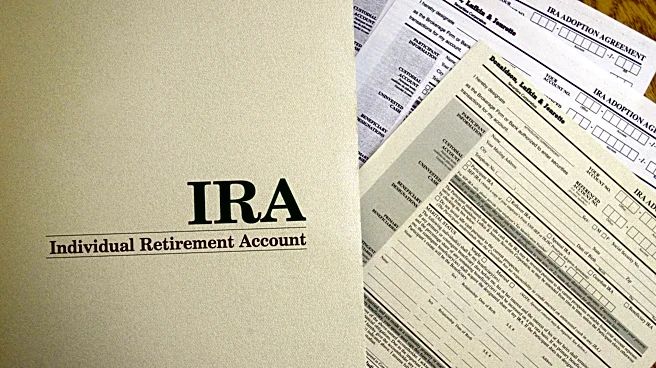
Millennials are encouraged to adopt a proactive and flexible approach to retirement planning. This includes understanding their employer benefits, particularly 401(k) matching, and utilizing tax-advantaged accounts like traditional and Roth IRAs. Managing high-interest debt and building emergency savings are also critical steps to reduce financial pressure. Given the potential for Social Security benefit changes, individuals may need to plan for a retirement that looks different from previous generations, possibly involving phased work schedules, consulting, or part-time entrepreneurship. Policymakers may face increasing pressure to address issues such as affordable housing, healthcare costs, and access to retirement plans to support this generation's financial well-being. The conversation around retirement needs to evolve to acknowledge these new realities and provide actionable solutions.
Beyond the Headlines
The Millennial retirement crisis extends beyond mere financial figures; it reflects a fundamental shift in the American dream and intergenerational equity. The expectation of a comfortable retirement, once a cornerstone of post-war prosperity, is now a source of anxiety for many. This situation raises ethical questions about the responsibility of current and future generations to ensure social safety nets remain viable. Culturally, it challenges the traditional narrative of working hard for a secure retirement, potentially leading to increased stress and a re-evaluation of life priorities. The long-term implications could include a more fluid workforce with older individuals remaining employed longer, potentially impacting career progression for younger workers. Ultimately, the ability of Millennials to retire will depend on a complex interplay of individual financial decisions, economic conditions, and public policy reforms, highlighting the need for a comprehensive and adaptive approach to retirement planning.