






What's Happening?
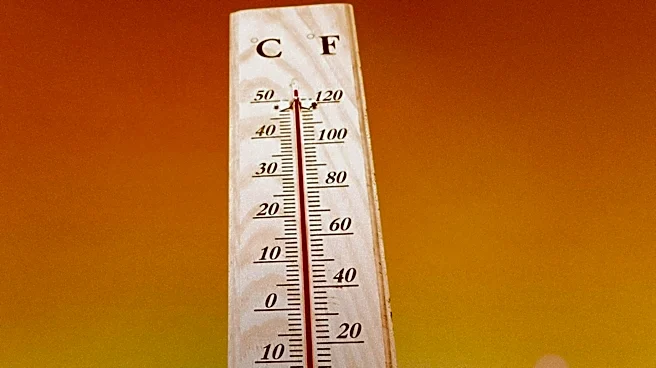
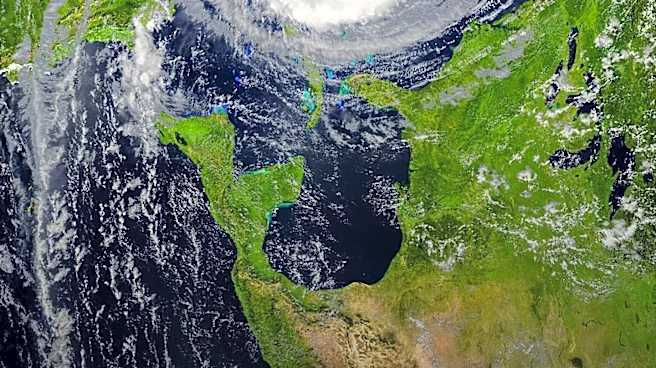
The European Space Agency (ESA) is using satellite data to monitor the effects of climate change, focusing on wildfires, drought, and extreme heat. Recent data from the Copernicus Climate Change Service indicates that June 2026 was the second-warmest
June globally, with Western Europe experiencing record temperatures. The ESA's satellites provide critical information on land and sea temperatures, air quality, and greenhouse gas emissions, helping to understand the environmental impact of these phenomena.
Why It's Important?
The data collected by ESA's satellites is crucial for understanding the ongoing impact of climate change and for developing strategies to mitigate its effects. By providing real-time information on environmental conditions, these satellites support efforts to manage natural disasters and inform public policy. The increasing frequency and intensity of heatwaves and wildfires underscore the urgent need for global action on climate change, with significant implications for public health, agriculture, and infrastructure.
What's Next?
Continued monitoring and data collection by ESA and other organizations will be essential for tracking climate change trends and informing international climate policy. Efforts to reduce greenhouse gas emissions and improve climate resilience will likely be prioritized by governments and environmental organizations. The data may also be used to enhance predictive models and support disaster preparedness and response strategies.