






What's Happening?
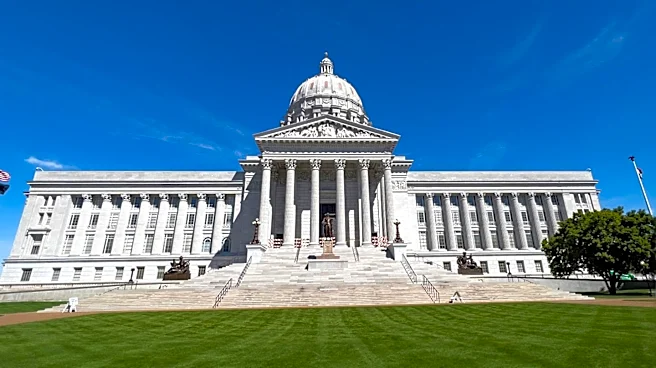
A Cole County Circuit judge is set to rule on the constitutionality of a proposed amendment to the Missouri Constitution concerning citizen ballot initiatives. The amendment, if approved, would make it significantly harder for the state legislature to overturn
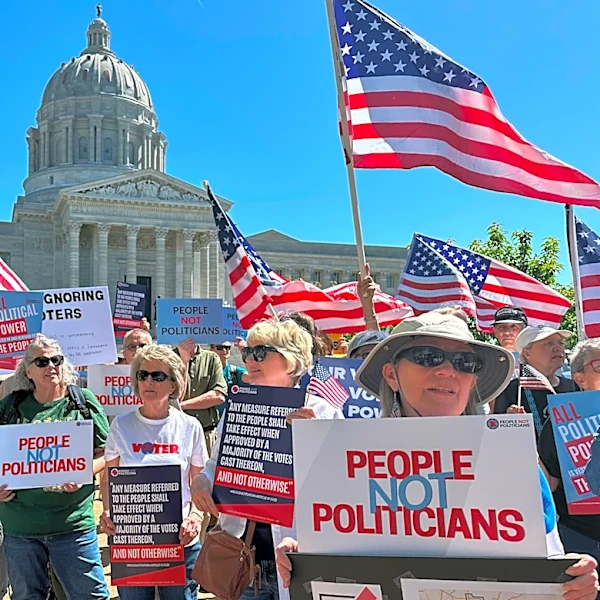
voter-approved initiatives, requiring an 80% majority in both legislative chambers to alter them. This legal challenge arises after Secretary of State Denny Hoskins rejected the proposed amendment, citing violations of the state’s single-subject clause and concerns that it would entrench existing and future constitutional amendments from reconsideration. The group advocating for the amendment, 'Respect Missouri Voters,' has sued to reverse Hoskins' decision, arguing that the proposal adheres to the single-subject rule as interpreted by state courts. The lawsuit also questions Hoskins' authority to vacate a previously approved ballot summary. The judge's decision, expected by Wednesday, will determine if the amendment appears on the November ballot.
Why It's Important?
This case holds significant implications for direct democracy and legislative power in Missouri. If the amendment is allowed to proceed and is subsequently approved by voters, it would fundamentally shift the balance of power, granting greater permanence to citizen-led initiatives and limiting the legislature's ability to override the public's will. This is particularly relevant given a recent instance where Missouri lawmakers nullified a voter-approved paid sick leave statute. The outcome could empower citizens to enact changes with more lasting effect, potentially leading to increased voter engagement in ballot initiatives. Conversely, if the court sides with Secretary Hoskins, it would uphold the legislature's current flexibility in amending or overturning such initiatives, potentially discouraging future citizen-led efforts. The legal arguments also touch upon the scope of the Secretary of State's power to review and reject proposed amendments, setting a precedent for future ballot measure challenges.
What's Next?
The Cole County Circuit judge is expected to issue a ruling no later than Wednesday regarding the inclusion of the proposed amendment on the November ballot. Regardless of the judge's decision, the case is highly likely to be appealed, first to the Western District Court of Appeals and then potentially to the Missouri Supreme Court. The final resolution of this legal battle is critical, as all court-ordered additions to the November ballot must be finalized by September 8. This tight timeline suggests a rapid progression through the appellate courts if either party chooses to appeal. The ultimate outcome will determine whether Missouri voters will have the opportunity to decide on an amendment that could significantly alter the landscape of citizen-led initiatives and legislative authority in the state.
Beyond the Headlines
The legal dispute over Missouri's ballot initiative amendment highlights a broader tension between direct democracy and representative governance. The argument that the amendment is 'unprecedented' and 'deceptive' by the Secretary of State's attorney, Kathleen Hunker, underscores concerns about the potential for citizen initiatives to bypass traditional legislative processes and create entrenched constitutional provisions. Conversely, the proponents' argument, as articulated by attorney Chuck Hatfield, emphasizes the role of initiatives in advancing 'new ideas' that the legislature might not address, such as riverboat gambling, sports betting, or marijuana legalization. This case could influence how other states with similar ballot initiative processes approach the balance between citizen power and legislative oversight, potentially leading to increased scrutiny or reforms of such mechanisms nationwide. The debate also touches on the ethical considerations of a state official's power to interpret and reject proposed constitutional changes after a significant signature-gathering effort.