






What's Happening?
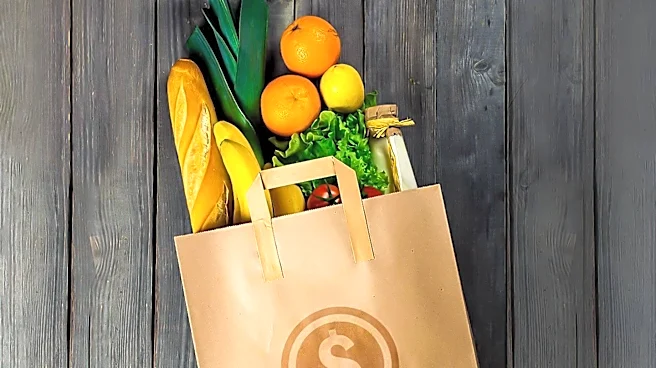
The Food Bank of Northern Indiana has released its schedule for food distribution events throughout August, aimed at supporting families in need across several counties. The initiative will cover St. Joseph, Marshall, Elkhart, LaPorte, Starke, and Kosciusko
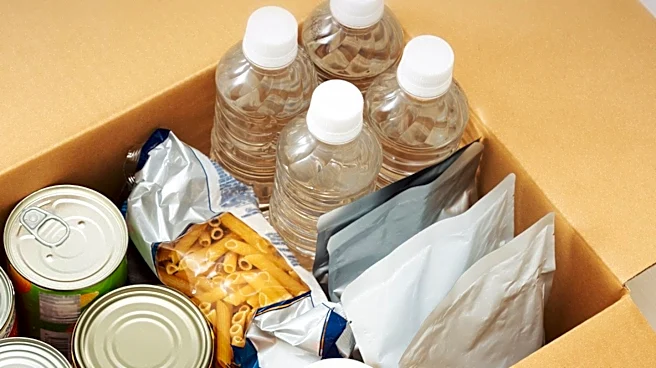
counties. Each distribution site will provide pre-boxed or pre-bagged food on a first-come, first-served basis, with a drive-thru format to ensure safety and efficiency. The events are designed to assist hundreds of households, with specific dates and locations set for each county. For instance, in St. Joseph County, distributions will occur on August 5 at Walnut Grove and on August 28 at the former South Bend Kroger, serving 250 and 150 households respectively. Similar events are scheduled in other counties, with varying capacities to meet local needs.
Why It's Important?
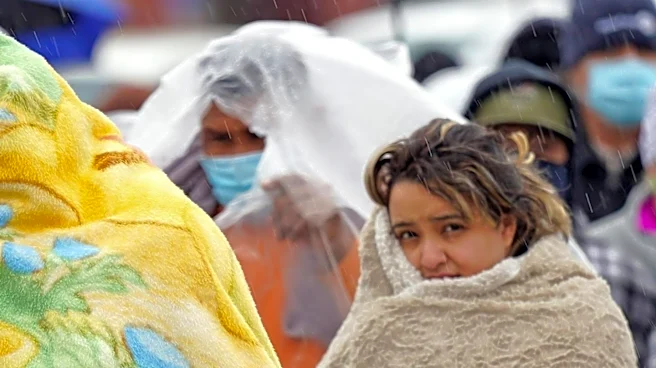
This initiative is crucial as it addresses food insecurity, a persistent issue affecting many families, especially during the summer months when children are out of school and may not have access to regular meals. By organizing these distribution events, the Food Bank of Northern Indiana is providing essential support to vulnerable populations, ensuring that basic nutritional needs are met. This effort not only alleviates immediate hunger but also contributes to the overall well-being and stability of communities. The drive-thru format also highlights a continued adaptation to health and safety concerns, ensuring that assistance is provided in a manner that minimizes risk to both volunteers and recipients.
What's Next?
The Food Bank of Northern Indiana will continue to monitor the needs of the community and adjust its distribution efforts accordingly. As the summer progresses, there may be additional announcements or changes to the schedule to better serve the population. Community members and local organizations are encouraged to support these efforts through donations or volunteer work, which are critical to sustaining such initiatives. The success of these events could also influence future planning and resource allocation for food assistance programs in the region.