






What's Happening?
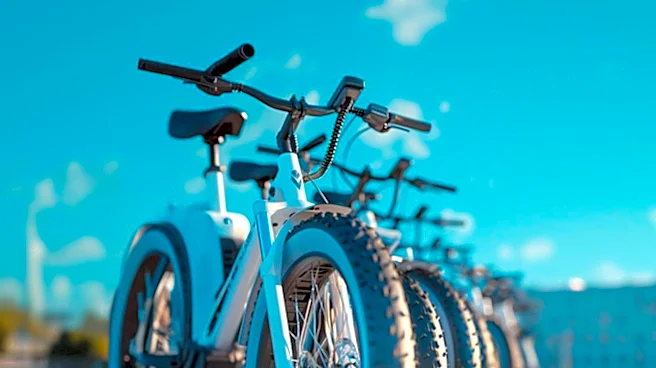
A recent study indicates that while pediatric e-bike injuries are less common than e-scooter injuries, they tend to be significantly more severe. E-bike riders experienced worse outcomes across all severity measures, including a higher incidence of concussions
(17% vs. 8.6%), fractures (48% vs. 36%), surgeries (26% vs. 9.7%), and inpatient admissions (27% vs. 10%). According to Edison, an attending physician in the Jackie and Gene Autry Orthopedic Center at Children's Hospital Los Angeles, this disparity is attributed to the greater weight of e-bikes, their higher attainable speeds, and aftermarket modifications that can push them into the electric motorcycle category. These factors contribute to increased force and torque potential, making riders more susceptible to severe injuries when thrown off.
Why It's Important?
This research is crucial for public health and safety, particularly concerning the growing popularity of e-bikes among children and adolescents. The findings highlight an urgent need for increased awareness and preventative measures to mitigate severe pediatric injuries. For healthcare providers, especially pediatricians, this data emphasizes the importance of discussing e-bike safety, helmet use, and adherence to riding regulations during routine check-ups. For policymakers, the study suggests a need to review and potentially update regulations regarding e-bike classifications, speed limits, and age restrictions, especially considering aftermarket modifications. The higher severity of e-bike injuries also places a greater burden on healthcare systems, requiring more extensive and costly treatments, including surgeries and prolonged hospital stays.
What's Next?
The findings from this study are expected to prompt discussions among medical professionals, parents, and policymakers regarding e-bike safety. Pediatricians are encouraged to proactively engage with families about safe riding practices, including helmet use and understanding local regulations. There may be calls for public awareness campaigns to educate both children and parents about the risks associated with e-bikes and the importance of proper safety gear. Legislators might consider stricter regulations on e-bike sales, modifications, and usage, potentially including mandatory safety courses or enhanced enforcement of existing laws. Further research could also explore the effectiveness of different intervention strategies and the long-term impacts of these injuries on pediatric populations.
Beyond the Headlines
Beyond the immediate health implications, this study touches upon broader societal trends related to emerging transportation technologies and their integration into daily life. The increasing use of e-bikes and e-scooters reflects a shift towards alternative modes of transport, but also exposes gaps in safety regulations and public understanding. The issue of aftermarket modifications transforming e-bikes into more powerful, and thus more dangerous, vehicles raises questions about product liability and consumer responsibility. This situation underscores the challenge of keeping pace with technological advancements through appropriate safety standards and educational initiatives. It also highlights the ethical responsibility of manufacturers and retailers to ensure products are used safely, and the role of communities in fostering a culture of safety around new forms of mobility.