










What's Happening?
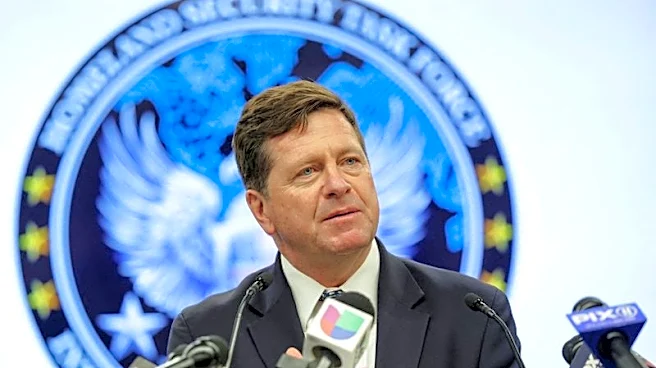
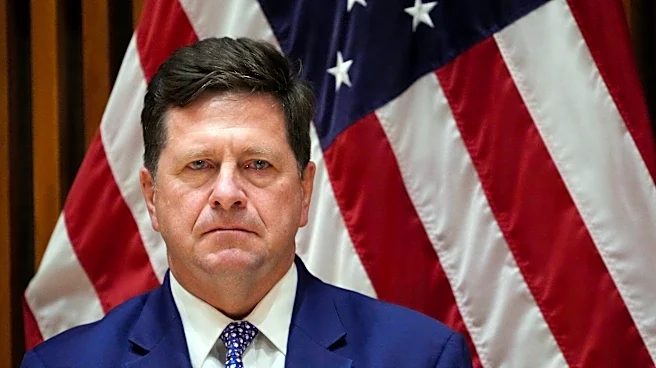
President Trump has unexpectedly barred Jay Clayton, his nominee for Director of National Intelligence (DNI), from attending his confirmation hearing. This decision was announced via Truth Social, just hours before the Senate was set to expedite Clayton's
nomination. Trump insists that Clayton's successor as U.S. Attorney for the Southern District of New York be confirmed first. This move has caused a rift with Senate Republicans, who were eager to confirm Clayton to avoid appointing Bill Pulte, the current Federal Housing Finance Agency director, as interim DNI. Pulte, lacking national security experience, is set to temporarily lead the U.S. intelligence community. Senate Intelligence Committee Chairman Tom Cotton expressed regret over the postponement, emphasizing Clayton's qualifications. The situation is further complicated by the lapse of Section 702 of the Foreign Intelligence Surveillance Act, which expired due to Senate Democrats blocking its extension in protest of Pulte's appointment.
Why It's Important?
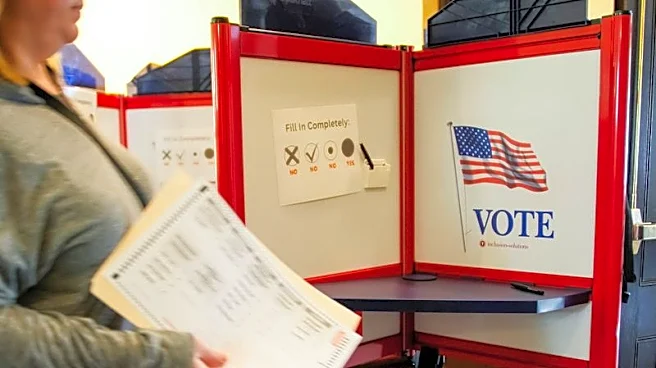
The delay in confirming a permanent DNI has significant implications for U.S. national security and intelligence operations. The lapse of Section 702, a critical foreign surveillance tool, leaves the intelligence community without a key resource, potentially compromising national security during high-profile events like the World Cup. The political maneuvering also highlights tensions within the Republican Party and between the executive branch and Congress. Trump's insistence on linking the confirmation to unrelated legislative demands, such as a national voter ID bill, further complicates the legislative process. This situation underscores the challenges of balancing political agendas with national security priorities.
What's Next?
With the confirmation hearing postponed, Bill Pulte is expected to assume the role of acting DNI by the end of the week. This temporary appointment may lead to significant changes within the Office of the Director of National Intelligence, including potential staffing cuts. The Senate will need to navigate the reauthorization of FISA, balancing security needs with political considerations. The outcome of these developments will depend on negotiations between the White House and Congress, as well as the ability to secure bipartisan support for key legislative measures.