






What's Happening?
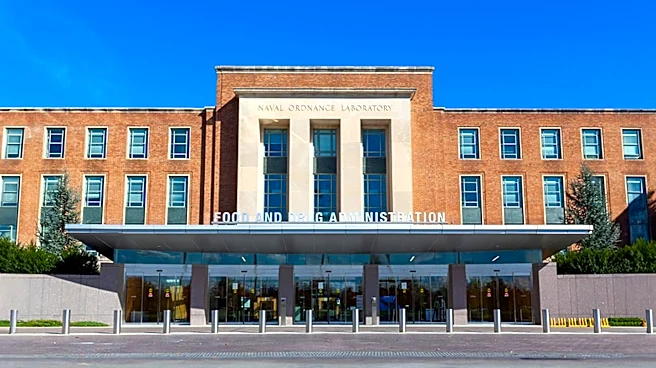
In April 2026, the FDA approved Auvelity, marking it as the first non-antipsychotic treatment for agitation in Alzheimer's patients. This approval is significant as agitation affects up to 76% of Alzheimer's patients and poses a major challenge for caregivers.
The approval is currently limited to the U.S., highlighting the need for real-world evidence to evaluate the effectiveness of such treatments. The therapeutic landscape for Alzheimer's is evolving, with a focus on symptomatic treatments and novel mechanisms of action, beyond traditional amyloid-targeting therapies.
Why It's Important?
The approval of Auvelity represents a shift in Alzheimer's care, emphasizing the need for treatments that address symptoms rather than just disease progression. This development could improve the quality of life for patients and reduce the burden on caregivers. As the population ages, the demand for effective Alzheimer's treatments is increasing, making this approval a critical step in addressing a growing public health issue. The focus on real-world evidence underscores the importance of understanding how these treatments perform outside of clinical trials, ensuring they deliver meaningful benefits in everyday care settings.
What's Next?
The approval of Auvelity may prompt further research into non-antipsychotic treatments for Alzheimer's symptoms. It also raises questions about access to such treatments in other countries, like the UK, where approval processes differ. The need for robust real-world evidence frameworks will grow as the therapeutic landscape expands, ensuring that new treatments are evaluated for their real-world impact and accessibility.