




What's Happening?
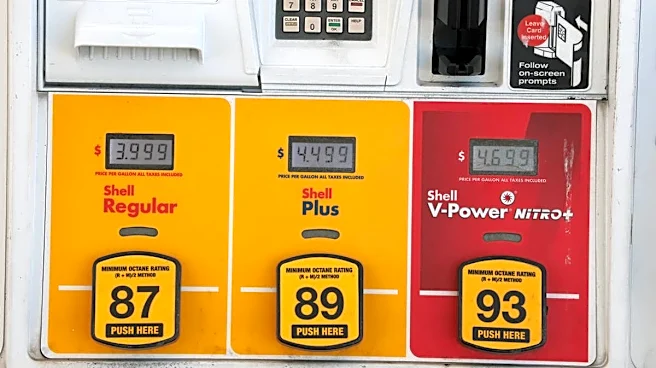
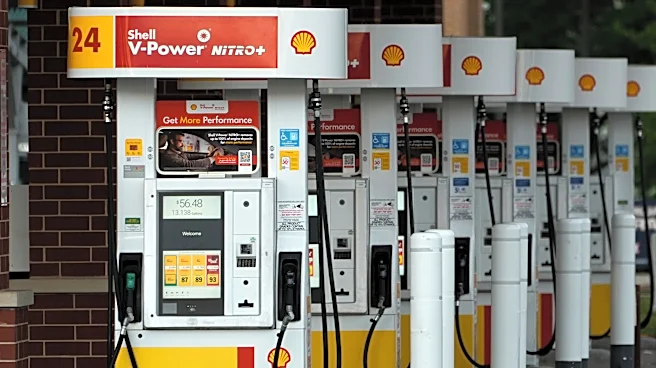
The ongoing conflict between the U.S. and Iran has led to a significant increase in gas prices across the United States. As tensions escalate, energy costs have risen, impacting the prices of goods and services nationwide. Companies are reportedly incorporating
these higher energy costs into their pricing structures, passing the burden onto consumers. This development comes amid heightened geopolitical tensions, which have historically influenced global oil markets and, consequently, domestic fuel prices.
Why It's Important?
The surge in gas prices is a critical issue for the U.S. economy, affecting both consumers and businesses. Higher fuel costs can lead to increased transportation and production expenses, which may result in higher prices for a wide range of goods and services. This situation can strain household budgets and reduce consumer spending power, potentially slowing economic growth. Additionally, the geopolitical instability associated with the U.S.-Iran conflict poses risks to global energy markets, which could have long-term implications for energy policy and international relations.
What's Next?
As the conflict between the U.S. and Iran continues, further fluctuations in gas prices are likely. Policymakers and industry leaders will need to monitor the situation closely to mitigate economic impacts and ensure energy security. Potential diplomatic efforts or negotiations could influence the trajectory of the conflict and its effects on global oil markets. In the meantime, consumers and businesses may need to adapt to the current pricing environment, exploring energy efficiency measures and alternative energy sources to manage costs.