









What's Happening?
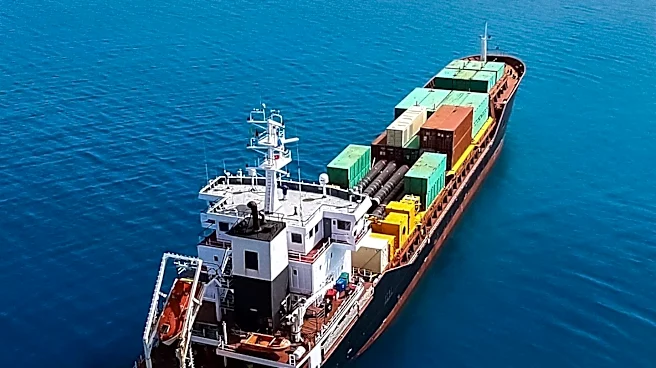
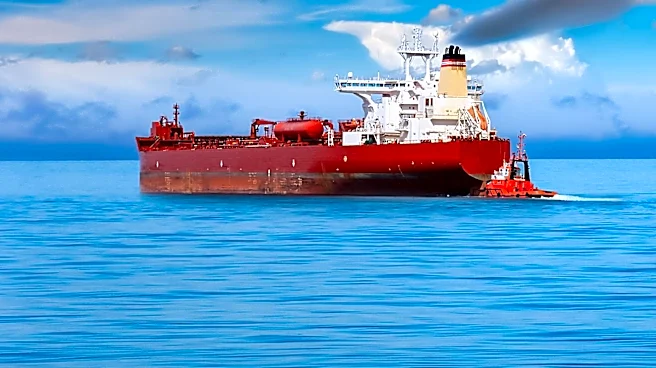
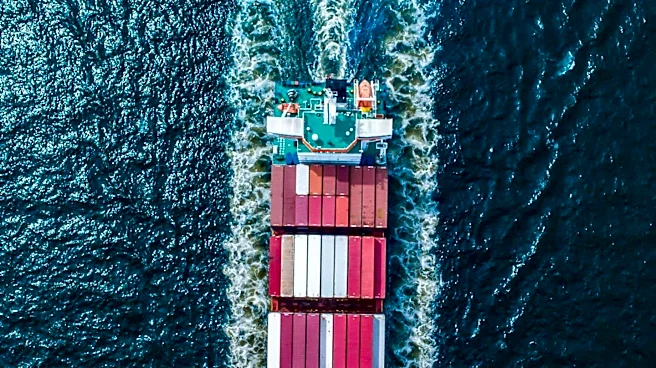
Shipping in the Strait of Hormuz has significantly decreased due to renewed hostilities between the United States and Iran. This critical waterway, which is a major conduit for global oil supplies, has seen a dramatic reduction in vessel traffic. According
to Lloyd’s List Intelligence, no large vessels have transited the strait via the US-coordinated route since July 7, with only a few ships crossing without broadcasting their location. The conflict has led to retaliatory strikes by Iran on US military assets in the region, following US attacks on Iranian targets. Despite the tensions, oil prices have remained relatively stable, with Brent crude holding steady at $76.58 per barrel. However, experts warn of potential upward pressure on prices as oil inventories dwindle.
Why It's Important?
The Strait of Hormuz is a vital chokepoint for the global oil supply, and disruptions in this region can have significant implications for energy markets worldwide. The current conflict between the US and Iran threatens to exacerbate supply chain issues, potentially leading to higher oil prices. This situation underscores the geopolitical risks associated with energy security and the global economy's reliance on stable oil supplies. The ongoing hostilities could also impact regional stability and international relations, as countries dependent on oil imports from the Middle East may face increased economic pressures.
What's Next?
If the conflict continues, shipping companies may seek alternative routes, potentially increasing transportation costs and affecting global trade. The international community, including major oil-importing nations, may call for diplomatic interventions to de-escalate tensions and ensure the free flow of oil through the Strait of Hormuz. Additionally, oil-producing countries might need to adjust their production strategies to mitigate the impact of potential supply disruptions. The situation will likely remain a focal point for energy market analysts and policymakers as they assess the broader implications for global energy security.