







What's Happening?
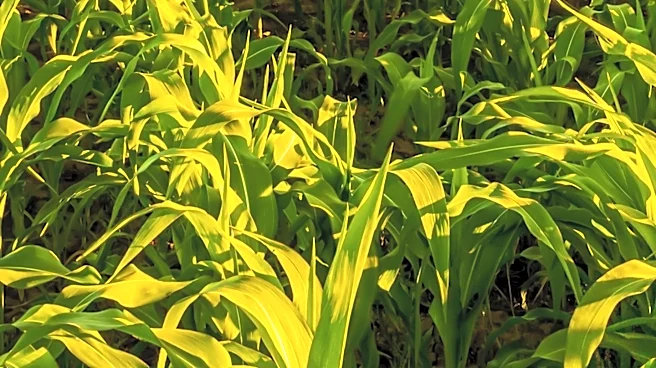
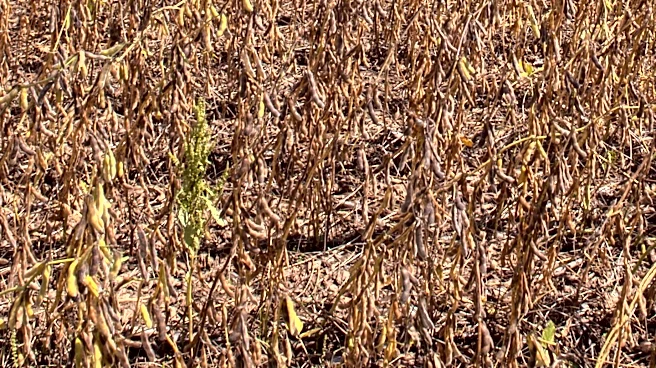
A severe heatwave has led to a notable decline in the condition of the U.S. corn crop, with the USDA reporting a four-point drop in the good-to-excellent category. This marks the largest single-week decline of the year, with the corn crop now rated at 63%
good to excellent. The heat, combined with a lack of moisture, has particularly affected the western Corn Belt and Plains, with states like Colorado and North Carolina showing poor-to-very-poor ratings near 41%. The USDA predicts more favorable temperatures ahead, which could alleviate some of the stress on crops.
Why It's Important?
The decline in corn conditions highlights the vulnerability of U.S. agriculture to extreme weather events, which can have significant implications for crop yields and market prices. As corn is a staple crop with widespread use in food, feed, and fuel, any reduction in its production can impact various sectors of the economy. The situation underscores the need for adaptive strategies in agriculture to mitigate the effects of climate change and ensure food security. The USDA's forecast of improved weather conditions offers some hope for recovery, but the ongoing challenges emphasize the importance of resilience in farming practices.
What's Next?
Farmers and agricultural stakeholders will be closely monitoring weather patterns and crop conditions in the coming weeks. The anticipated favorable temperatures could help stabilize the situation, but continued vigilance is necessary to manage potential risks. The agricultural community may also advocate for policy measures to support farmers affected by extreme weather, including financial assistance and investment in climate-resilient technologies. The broader implications of this event may prompt further discussions on climate change adaptation in agriculture.