



What's Happening?
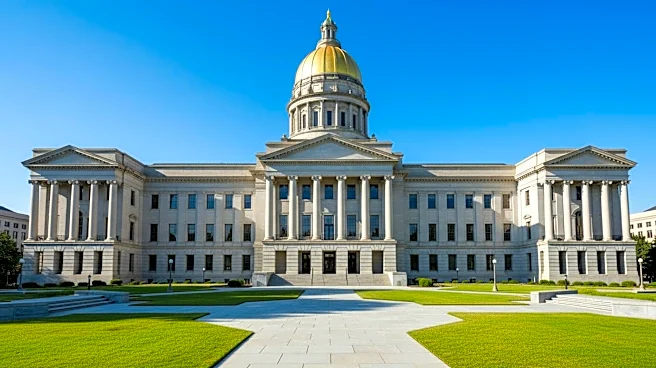
Georgia lawmakers convened in Middle Georgia to discuss the increasing struggles faced by family farms across the state. A joint study committee held a hearing at the Georgia National Fairgrounds, focusing on strategies to reduce operational costs for
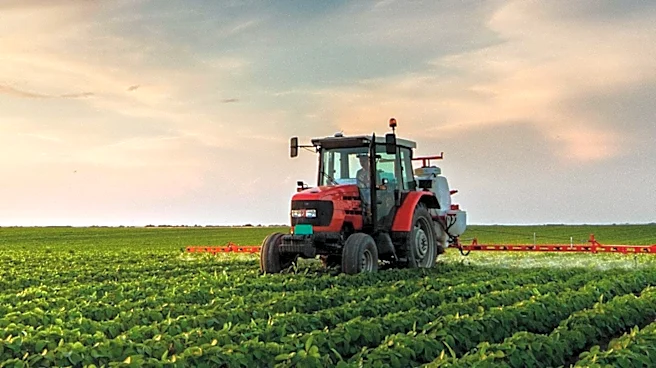
farmers. Discussions also encompassed challenges in the forestry sector and the distribution of government assistance, particularly relief from Hurricane Helene. State Republican Rep. Robert Dickey highlighted that the state's number one industry, agriculture, is confronting significant hurdles, including rising costs for seeds, fertilizer, fuel, and land. Bethany Ballard, Republican state representative, emphasized the need to support the next generation of farmers, noting that the average age of Georgia farmers is 59. The Georgia Farm Bureau and UGA Extension data indicate projected losses for both irrigated and non-irrigated land, underscoring the financial pressures on farmers.
Why It's Important?
The discussions among Georgia lawmakers are crucial for the economic stability and future of the state's agricultural sector, which is its primary industry. The rising operational costs and projected financial losses for family farms threaten the livelihood of many Georgians and could lead to a decline in local food production and rural economies. The aging farmer population, with an average age of 59, signals a potential crisis in succession planning and the need to attract younger generations to farming. Addressing these issues is vital for ensuring food security, preserving agricultural heritage, and maintaining the economic vitality of rural communities in Georgia. The committee's efforts to find solutions could set precedents for other states facing similar agricultural challenges.
What's Next?
The joint study committee plans to hold its next meeting in Rome, Georgia, to continue gathering data and insights. The goal is to collect sufficient information to inform potential legislation during the January General Assembly session. Tyler Harper, Commissioner of the Georgia Department of Agriculture, stated that approximately $530 million in Hurricane Helene relief funds are available for disbursement, with efforts underway to process applications and combat fraudulent claims. The focus on accountability for fraudulent applications indicates a commitment to ensuring that aid reaches legitimate farmers. The legislative proposals emerging from these discussions could include subsidies, tax incentives, or educational programs aimed at reducing costs and supporting new farmers.
Beyond the Headlines
The challenges facing Georgia's family farms extend beyond immediate economic concerns, touching upon broader issues of land use, environmental sustainability, and community resilience. The increasing cost of land, for instance, reflects pressures from urbanization and development, which can lead to the loss of agricultural land. The discussions about forestry challenges and hurricane relief also highlight the impact of climate change and natural disasters on the agricultural sector, necessitating robust support systems and adaptive strategies. Furthermore, the emphasis on supporting the 'next generation of farmers' points to a cultural shift and the need to make farming an attractive and viable career path for young people, potentially through technological innovation and diversified agricultural practices. This legislative effort could influence the long-term trajectory of Georgia's rural landscape and its relationship with the environment.