






What's Happening?
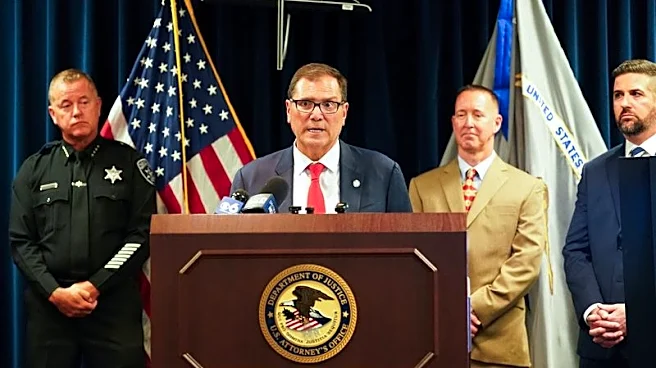
Fangfang Yan, 41, of Pittsford, New York, has pleaded guilty to misprision of a felony for her involvement in a scheme to steal and resell used cooking oil from Henrietta restaurants. According to U.S. Attorney Michael DiGiacomo, Yan was part of a federal
case involving six individuals accused of orchestrating the theft and sale of used cooking oil for biodiesel fuel production. Prosecutors allege that Yan, along with Guodeng Chen and Didi Huang of Pittsford, and three New York City residents, participated in the operation. Court documents indicate that used cooking oil was stolen from collection tanks outside establishments such as The Distillery, Osaka Sushi, and the Asian Food Mart in Henrietta. The stolen oil was then transported to a warehouse for collection and storage before being sold to a broker. Specifically, Chen and Huang arranged for two 45,000-pound shipments of the stolen oil to be sent from Western New York to a refinery in Erie, Pennsylvania, in April 2022, generating nearly $60,000. Yan admitted to knowing about the illicit transportation of stolen cooking oil but failed to report it to authorities. When questioned by investigators on May 6, 2022, she reportedly refused to answer questions regarding the alleged activities.
Why It's Important?
This case highlights the growing issue of organized crime targeting seemingly innocuous commodities like used cooking oil, which has become a valuable resource due to its use in biodiesel production. The illicit trade in used cooking oil not only results in financial losses for legitimate businesses but also poses environmental and regulatory challenges. Restaurants and food service establishments rely on proper disposal and recycling channels for used cooking oil, and schemes like this disrupt those systems. The involvement of multiple individuals across different locations, including New York City and Erie, Pennsylvania, underscores the sophisticated nature of such operations and the potential for widespread impact. The financial gains, nearly $60,000 from just two shipments, demonstrate the profitability that drives these criminal enterprises. This case also brings attention to the legal ramifications for individuals who, despite knowing about criminal activities, fail to report them to law enforcement, as evidenced by Yan's plea to misprision of a felony.
What's Next?
Fangfang Yan is scheduled to be sentenced on December 1, 2026. She faces a maximum sentence of three years in prison and a $250,000 fine for her role in the scheme. The legal proceedings for the other five individuals involved in the operation are expected to continue. Law enforcement agencies will likely continue to investigate and monitor similar illicit activities, particularly given the increasing demand and value of used cooking oil for biodiesel. This case may prompt increased vigilance among restaurants and waste management companies regarding the security of their used cooking oil collection points. Furthermore, the outcome of this case could serve as a deterrent for others considering involvement in such schemes, emphasizing the serious legal consequences of participating in or concealing felony crimes.
Beyond the Headlines
The theft of used cooking oil, often referred to as 'yellow grease,' represents a niche but significant area of organized crime driven by the burgeoning biodiesel industry. As global efforts to transition to renewable energy sources intensify, the demand for feedstocks like used cooking oil increases, inadvertently creating opportunities for criminal exploitation. This phenomenon extends beyond simple theft, sometimes involving complex logistics, interstate transportation, and sophisticated networks to process and sell the stolen goods. The environmental implications are also noteworthy; while biodiesel is a greener fuel, its production from stolen materials undermines the integrity of sustainable supply chains and can lead to improper handling and disposal practices. This case also touches upon the ethical responsibility of individuals to report criminal activity, highlighting how the failure to do so can lead to legal penalties. The broader societal impact includes increased costs for businesses, potential disruptions in waste management services, and the erosion of trust in supply chains for renewable resources.