




What's Happening?
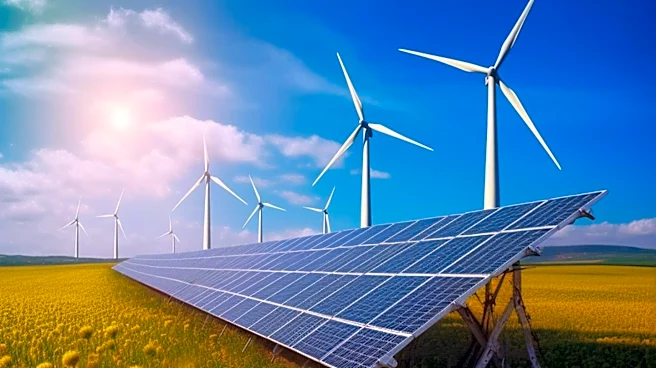
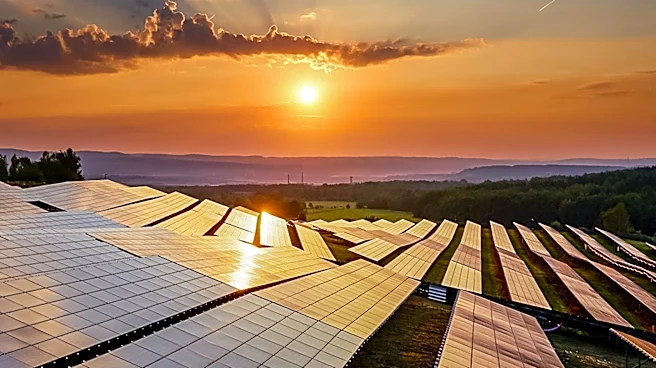
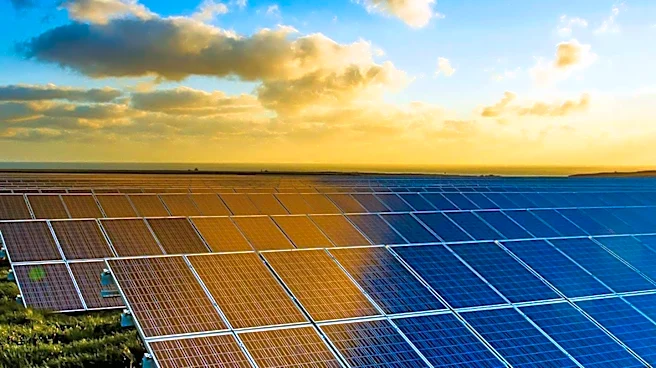
Zambia has significantly increased its electricity generation capacity by expanding its solar power infrastructure. The government has introduced several reforms, including the Electricity Open Access Regulations and the Electricity Net Metering Programme,
which have contributed to over 30 MW of net metering contributions to the national grid. The Presidential Constituency Energy Initiative aims to establish 2 MW solar power plants in constituencies to expand access and support local economic development. As a result, solar power capacity has grown from 88 MW in 2021 to 841 MW in 2026, bringing Zambia closer to its 1,000 MW solar target.
Why It's Important?
The expansion of solar power in Zambia is crucial for addressing the country's electricity shortages and reducing reliance on hydroelectric power, which has been affected by climate change-induced droughts. By increasing solar capacity, Zambia aims to eliminate load shedding and support economic growth and industrialization. The government's efforts to diversify the energy mix and increase generation capacity to 10 GW by 2031 are expected to enhance energy security and promote sustainable development.
What's Next?
Zambia plans to continue its efforts to increase electricity generation capacity, with a focus on achieving 10,000 MW by 2031. The government is likely to pursue further collaborations with local and international partners to expand solar infrastructure and support economic development. The success of these initiatives could serve as a model for other countries facing similar energy challenges.
Beyond the Headlines
The rapid expansion of solar power in Zambia highlights the potential for renewable energy to address energy shortages and support economic development in developing countries. The government's commitment to sustainable energy and the involvement of the private sector in expanding solar capacity demonstrate the importance of public-private partnerships in achieving energy goals.